Innovation et avenir

Innovation et avenir

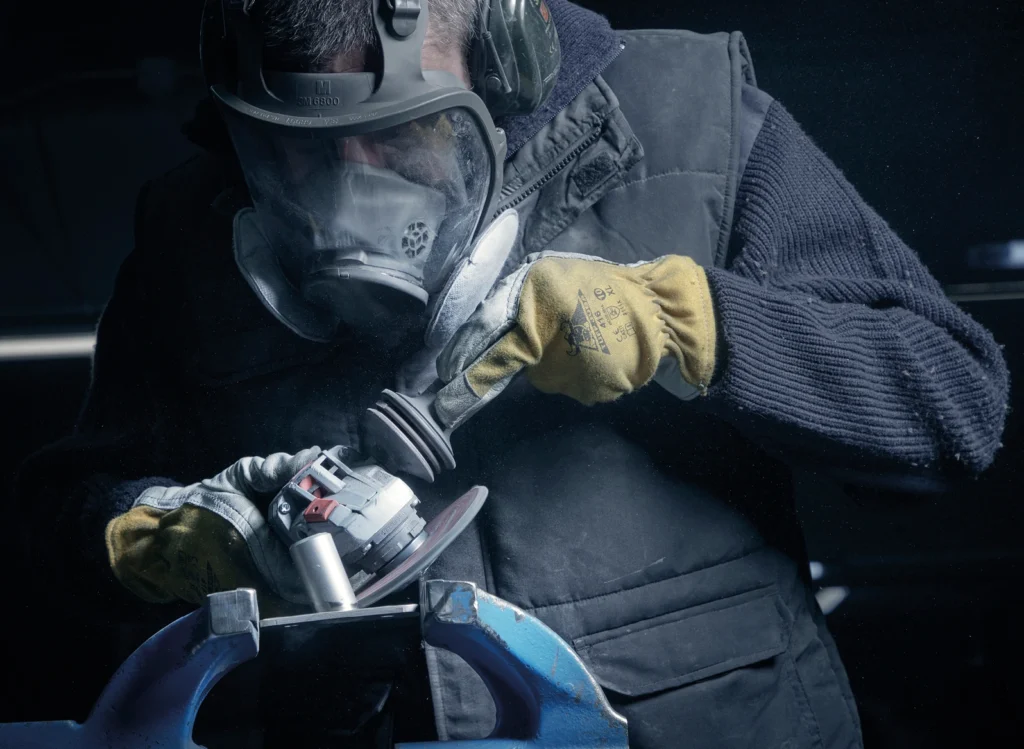
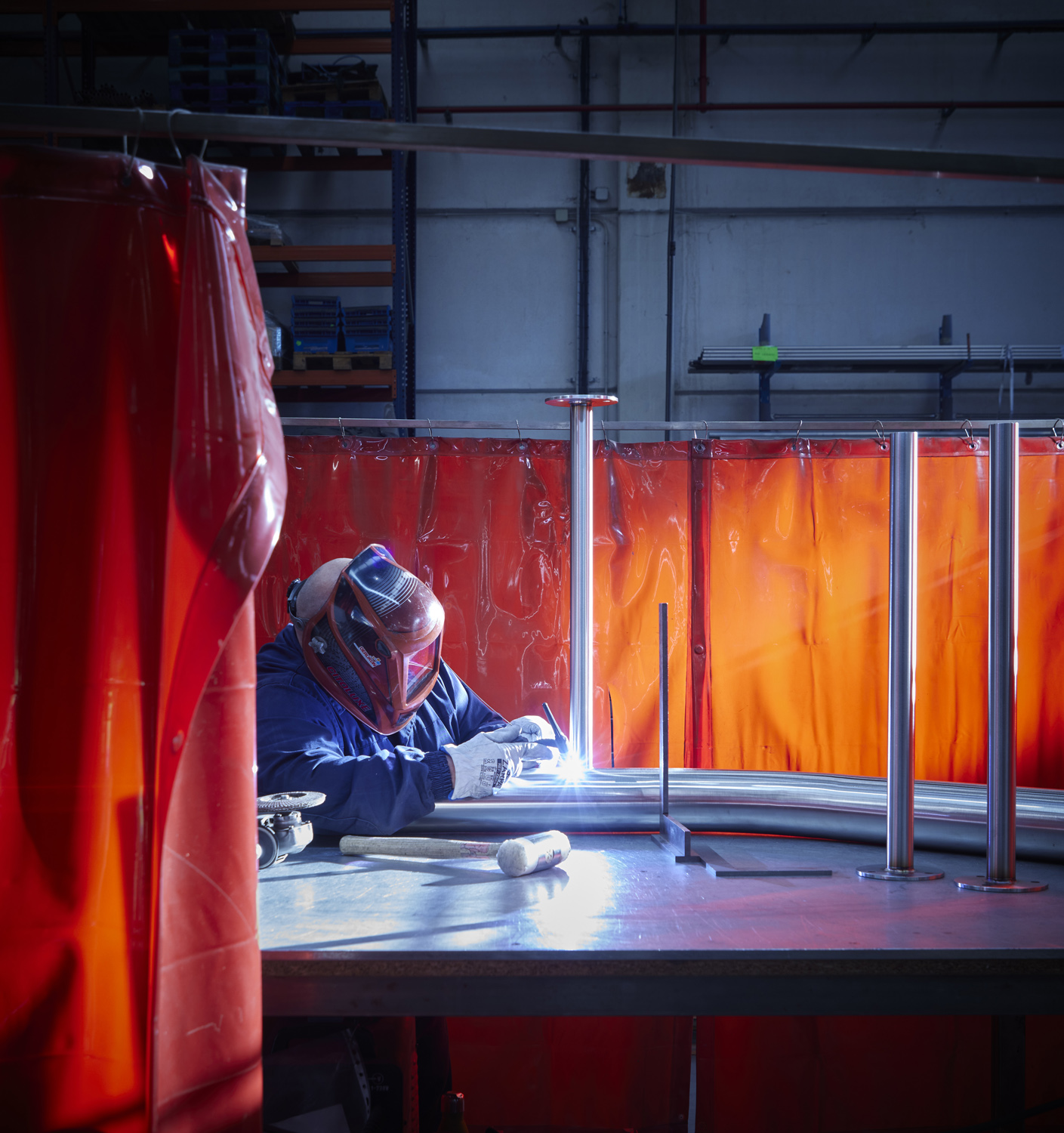
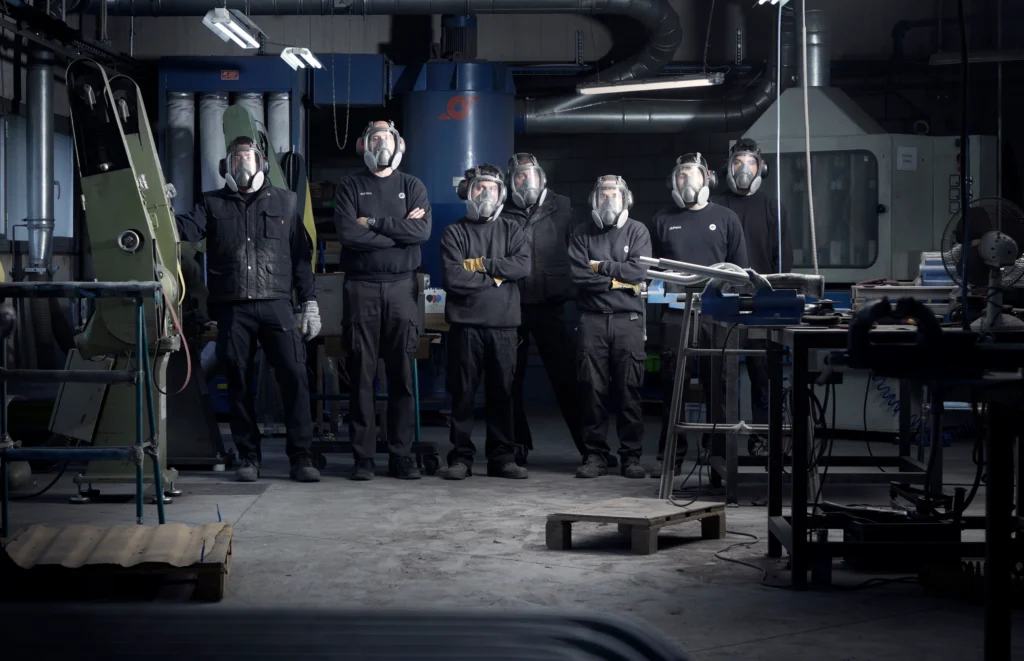
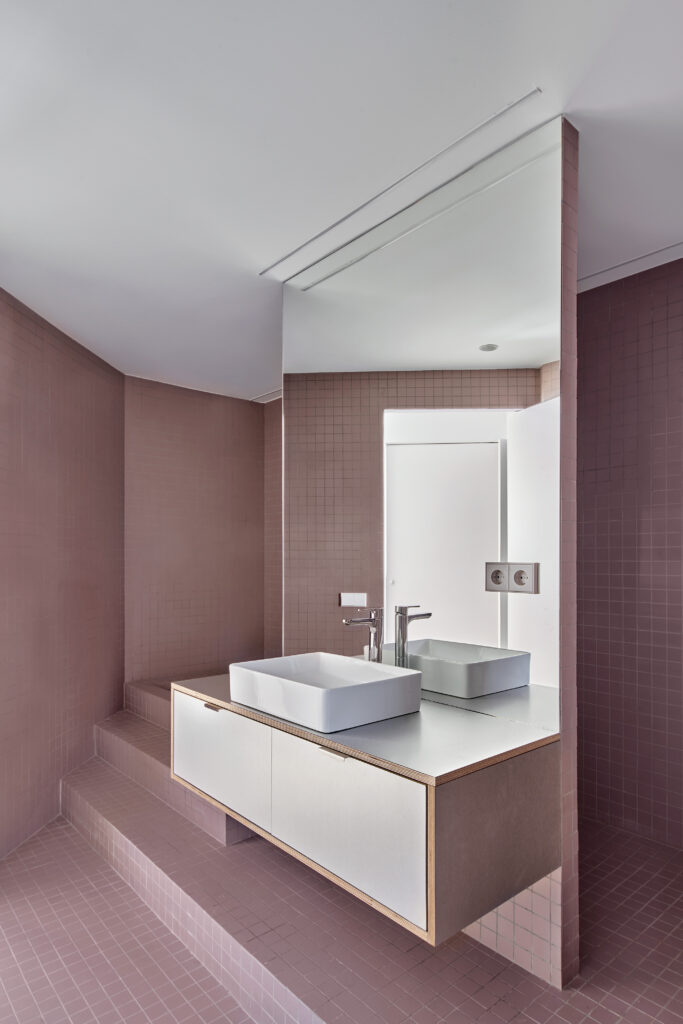
Chez Didheya, nous considérons la fabrication comme un processus en constante évolution. Afin de continuer à proposer des solutions rigoureusement adaptables et de préserver le niveau d’excellence qui nous caractérise, l’innovation technologique et opérationnelle constitue un pilier essentiel de notre activité quotidienne. Fidèles à cet engagement en faveur de l’amélioration continue, nous développons actuellement le « Projet MU », une initiative stratégique destinée à renforcer nos capacités d’innovation, à optimiser nos processus et à faire évoluer notre modèle de production vers une plus grande efficacité et compétitivité. Ce projet est rendu possible grâce au soutien institutionnel et financier dont nous bénéficions, renforçant ainsi notre engagement en faveur de la conception technique, des technologies de pointe et de l’ancrage industriel dans notre territoire.

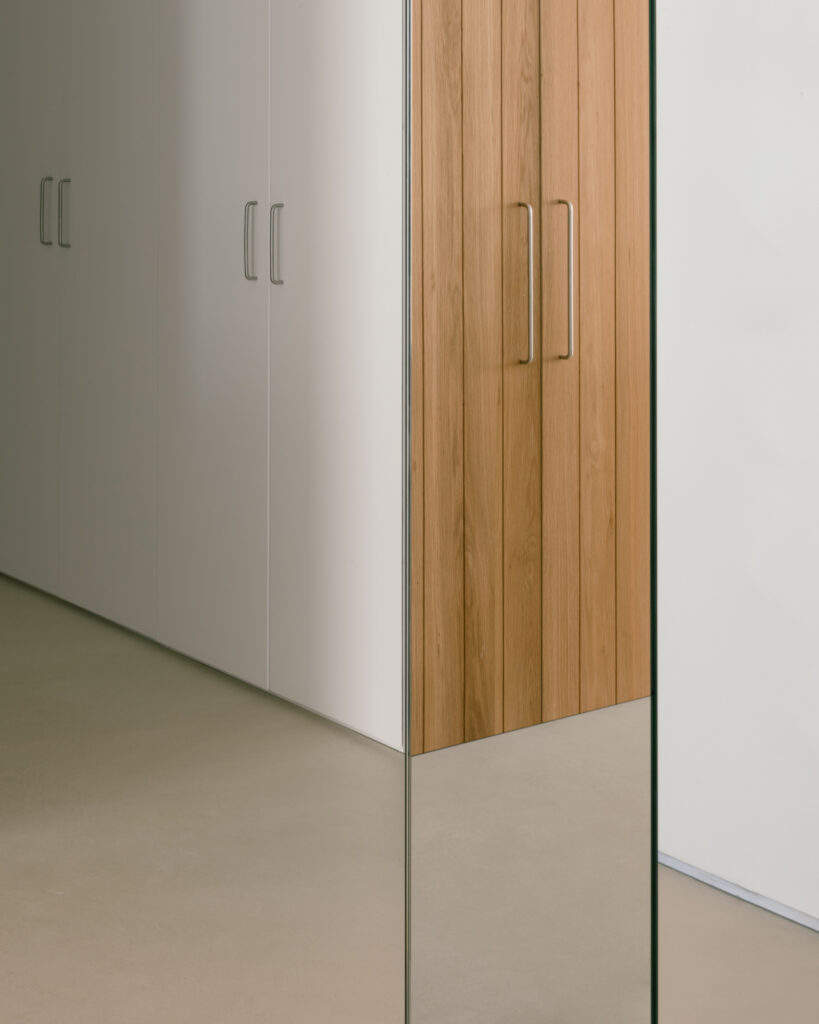
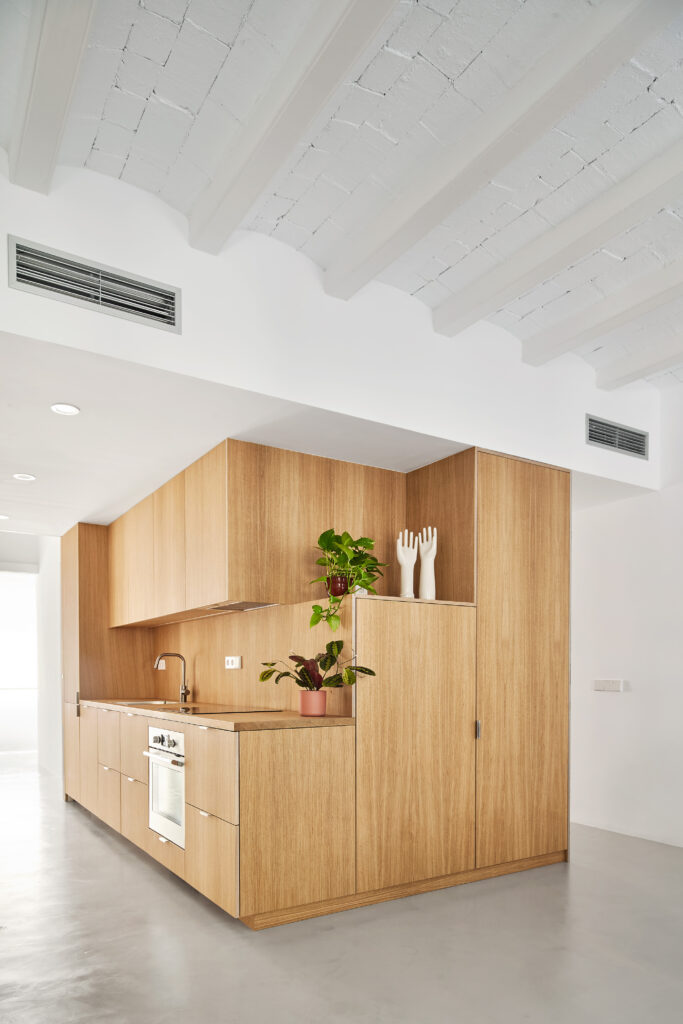
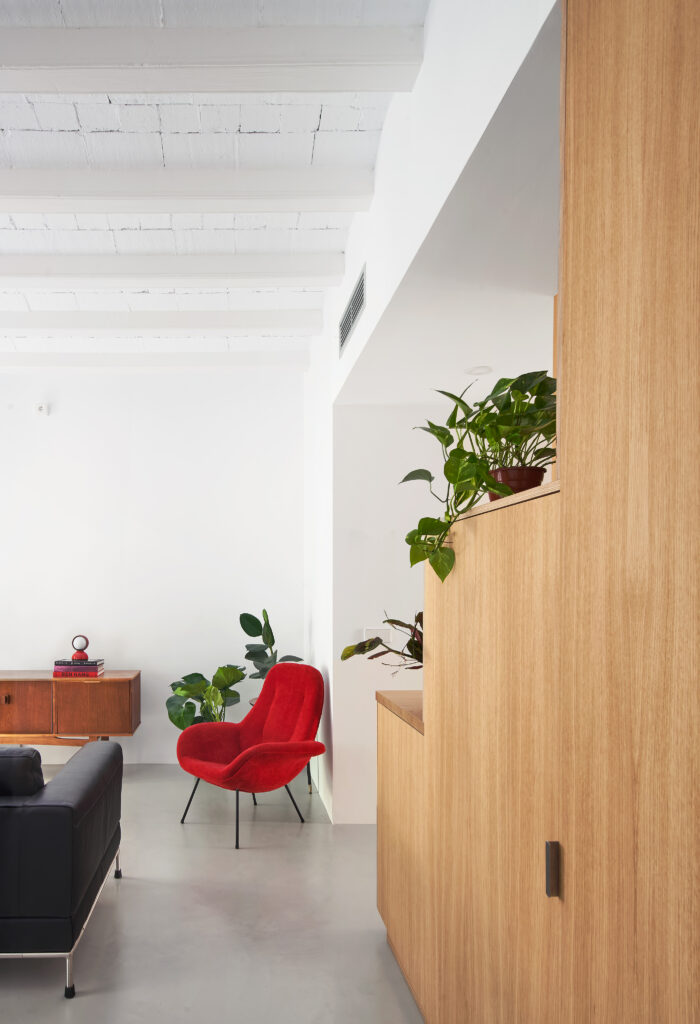
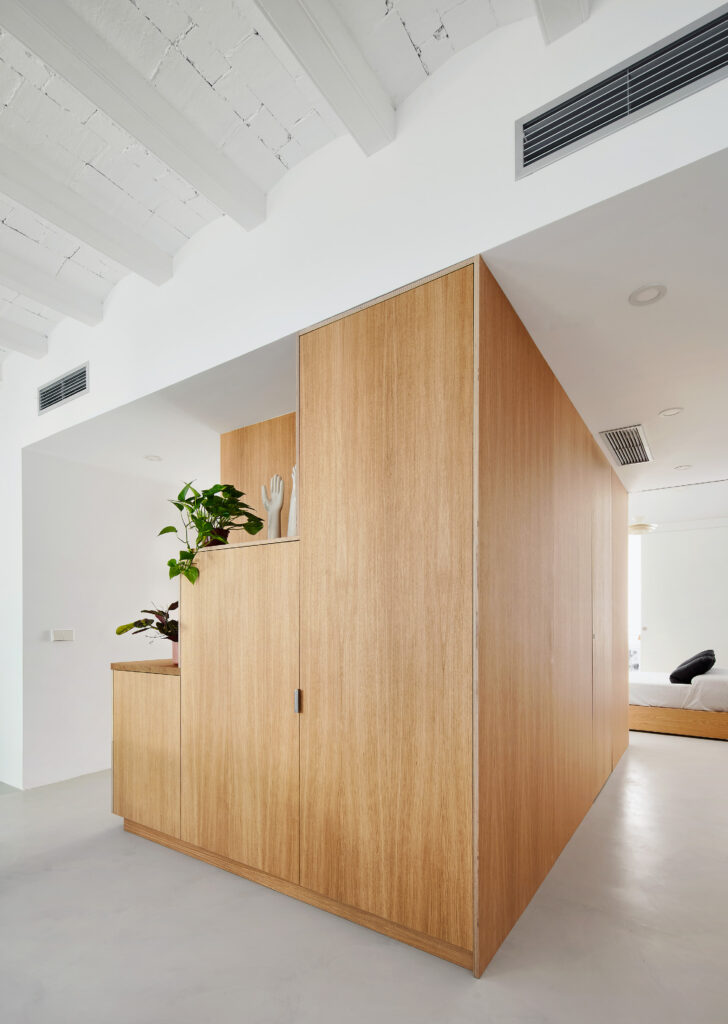
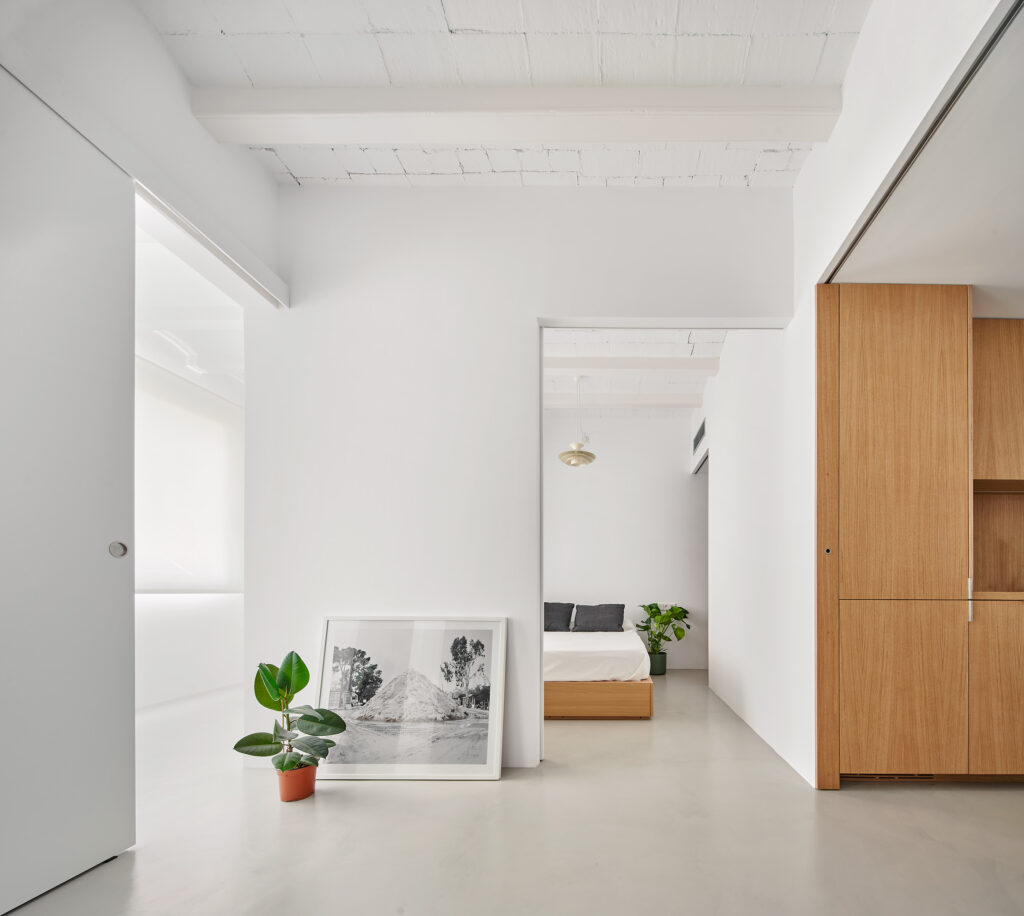
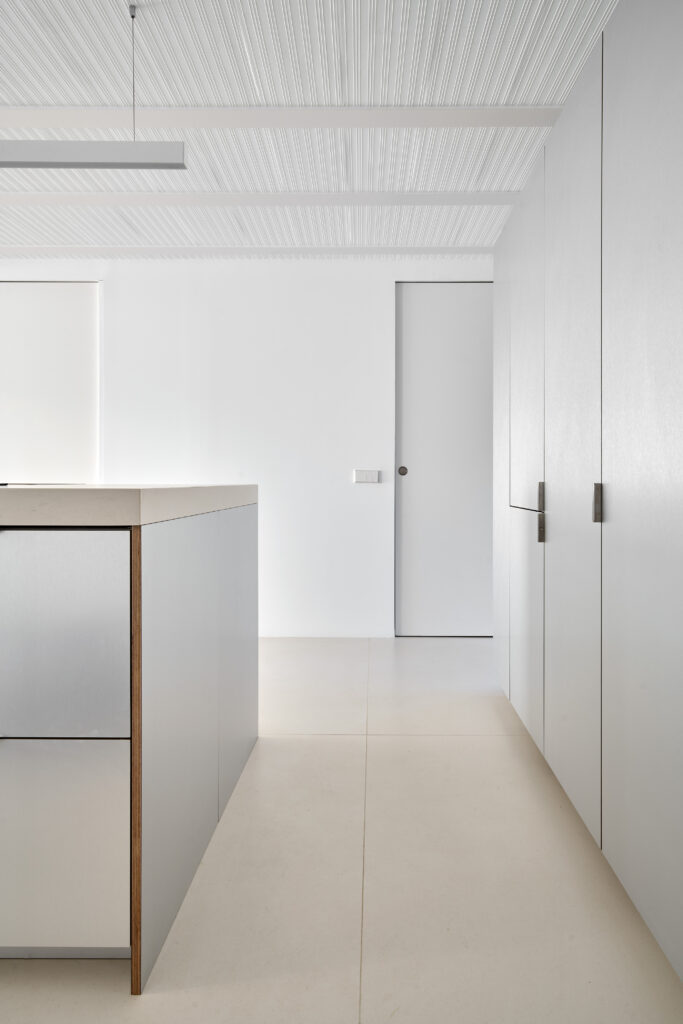
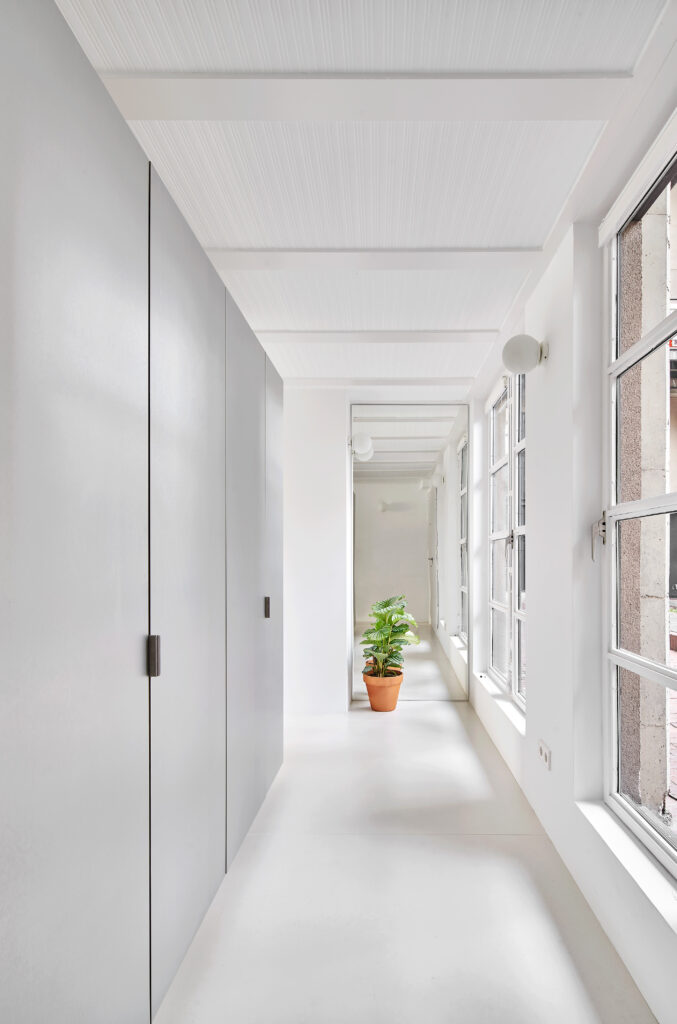
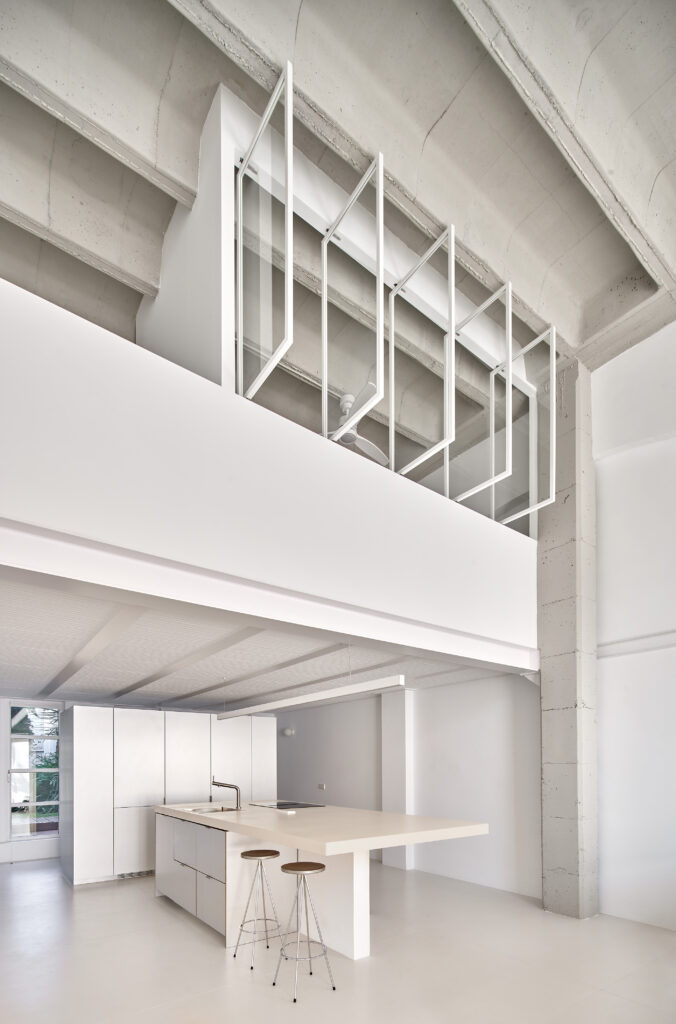
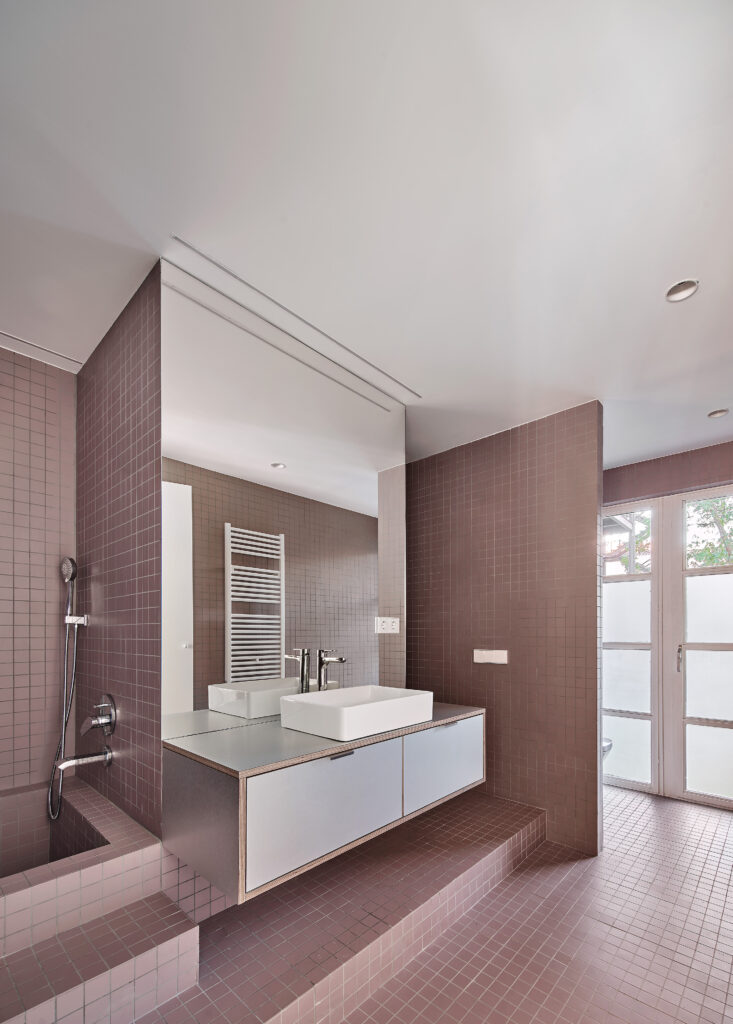
DS House

DS House, Estudio Diir

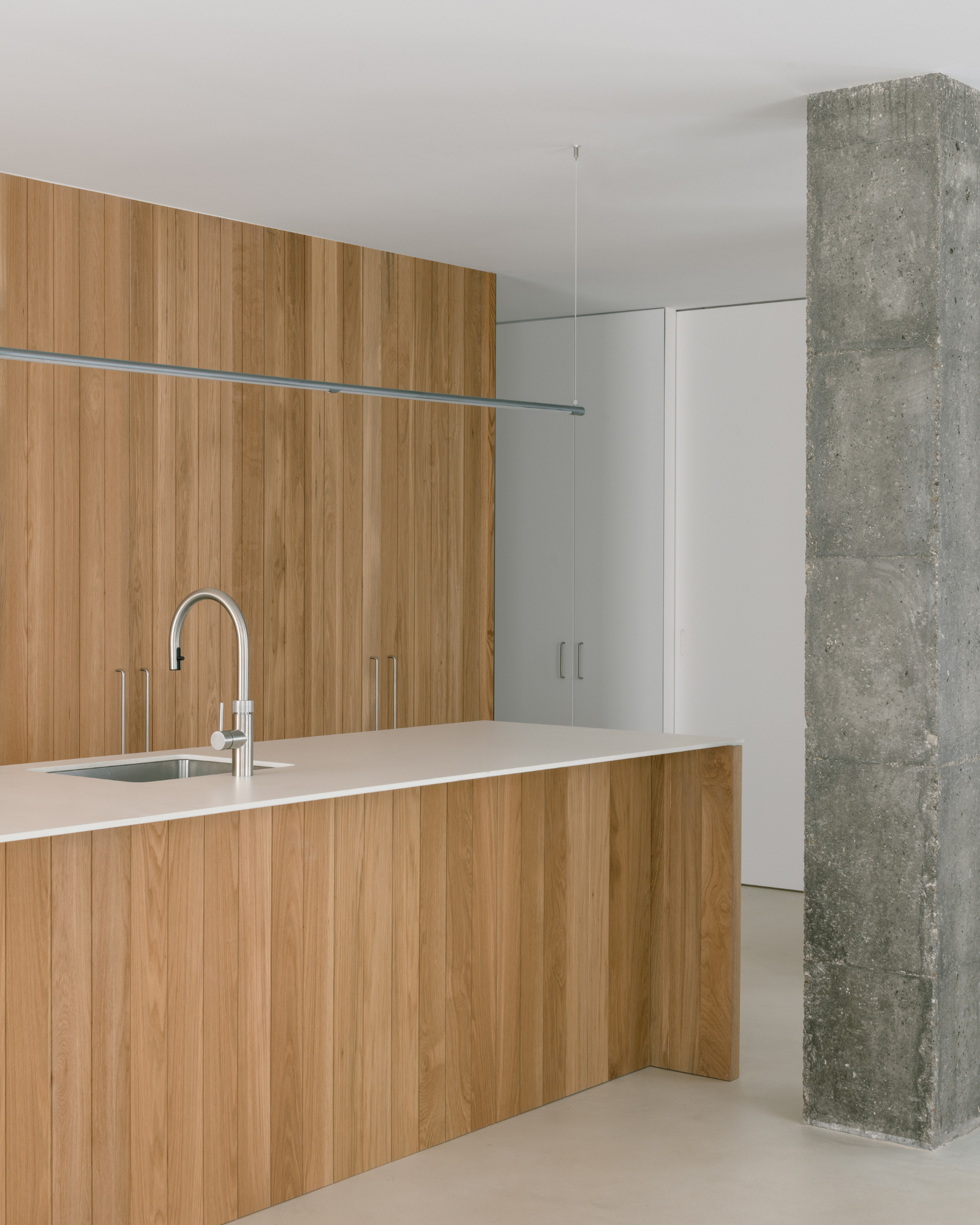
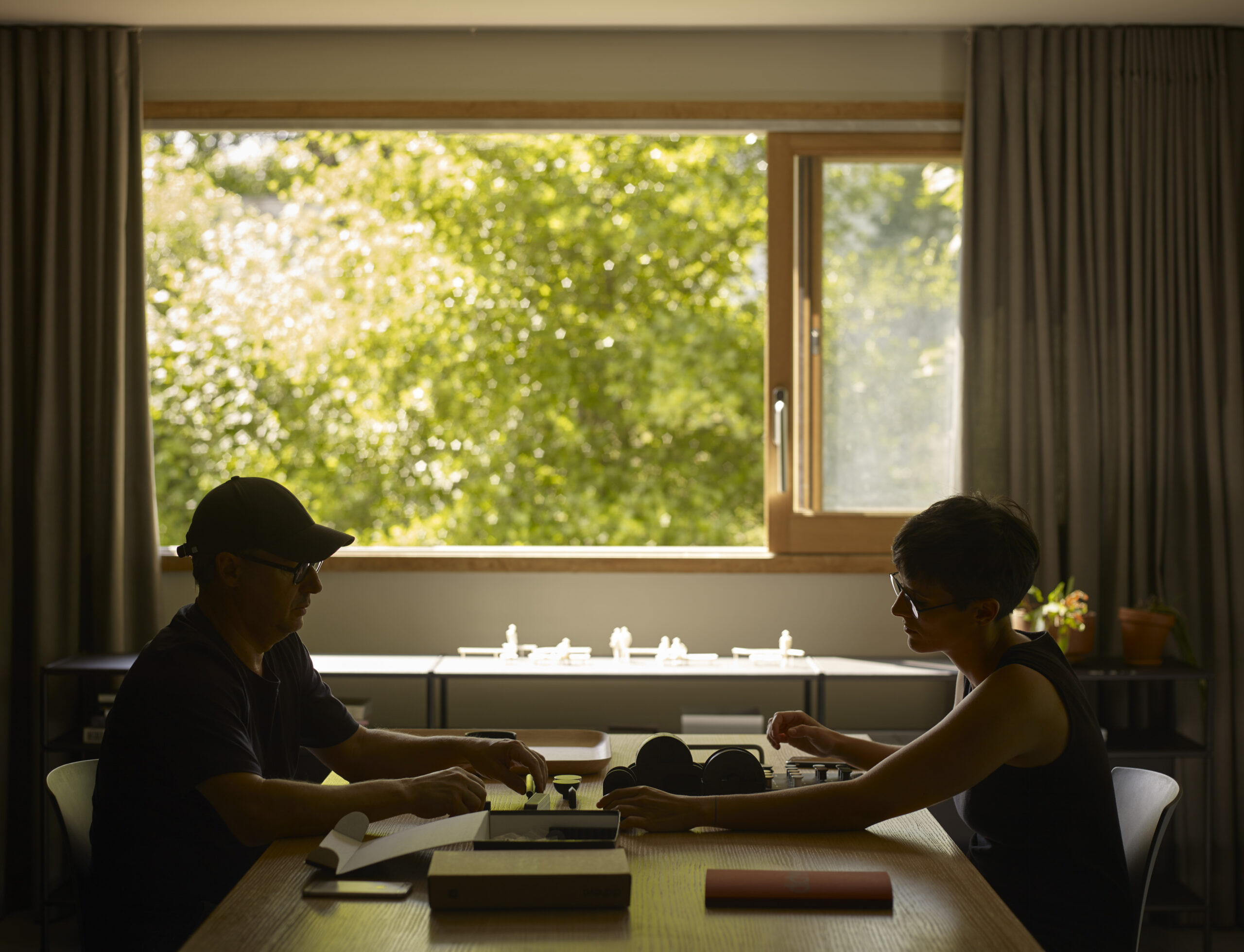
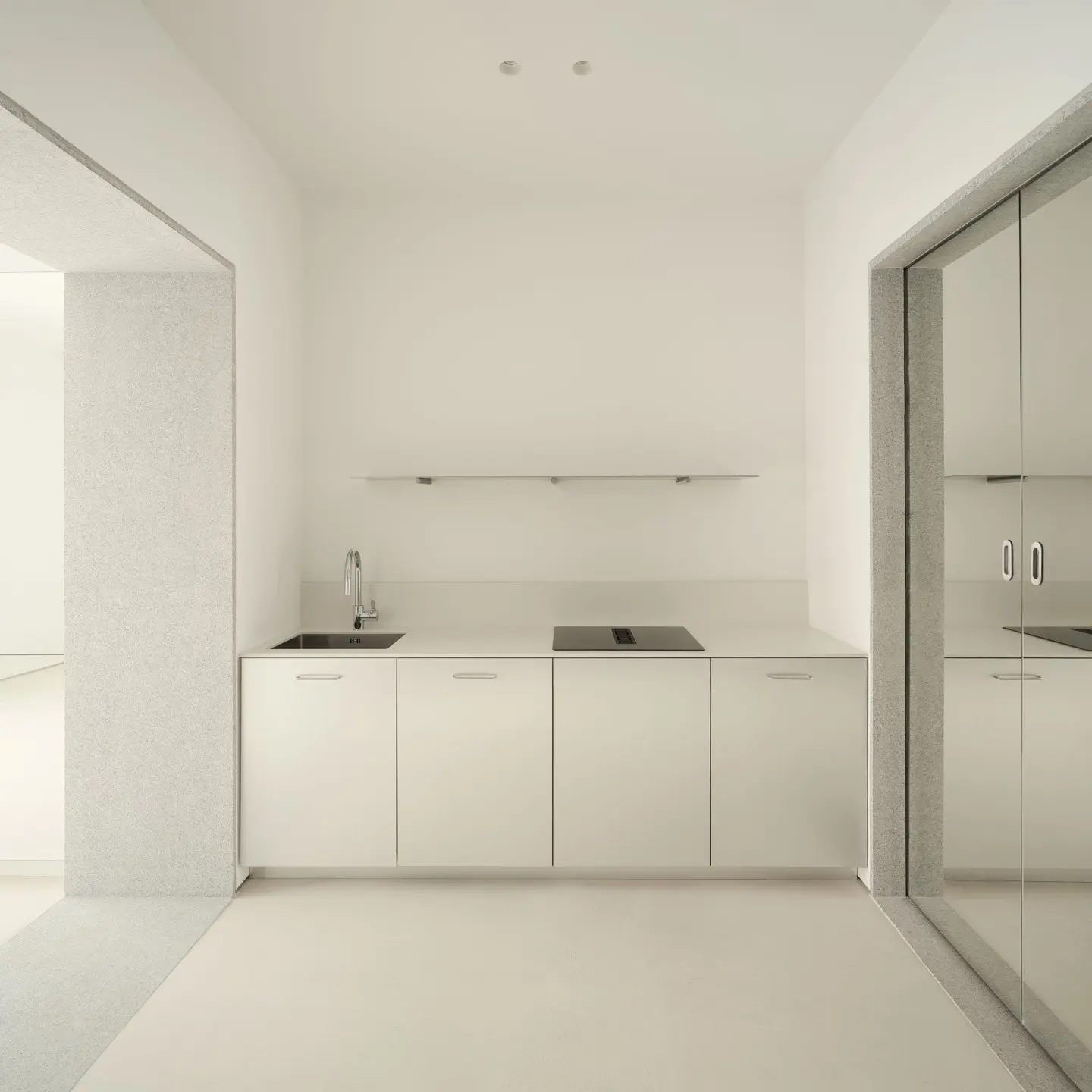
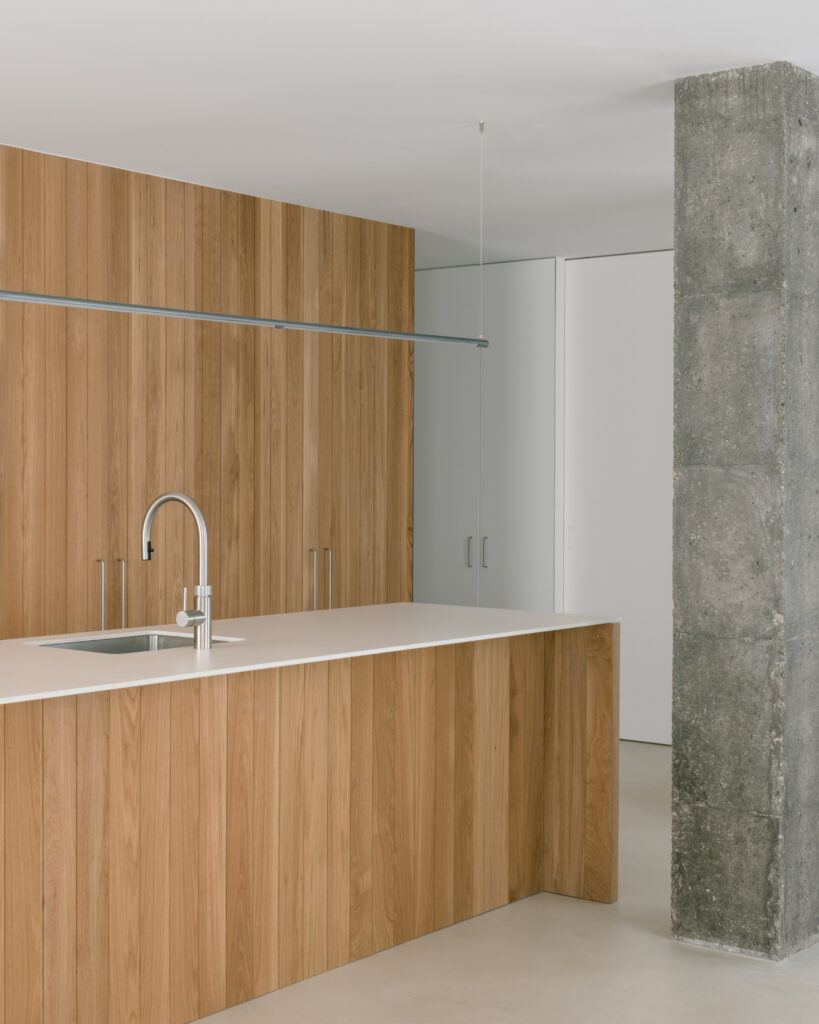
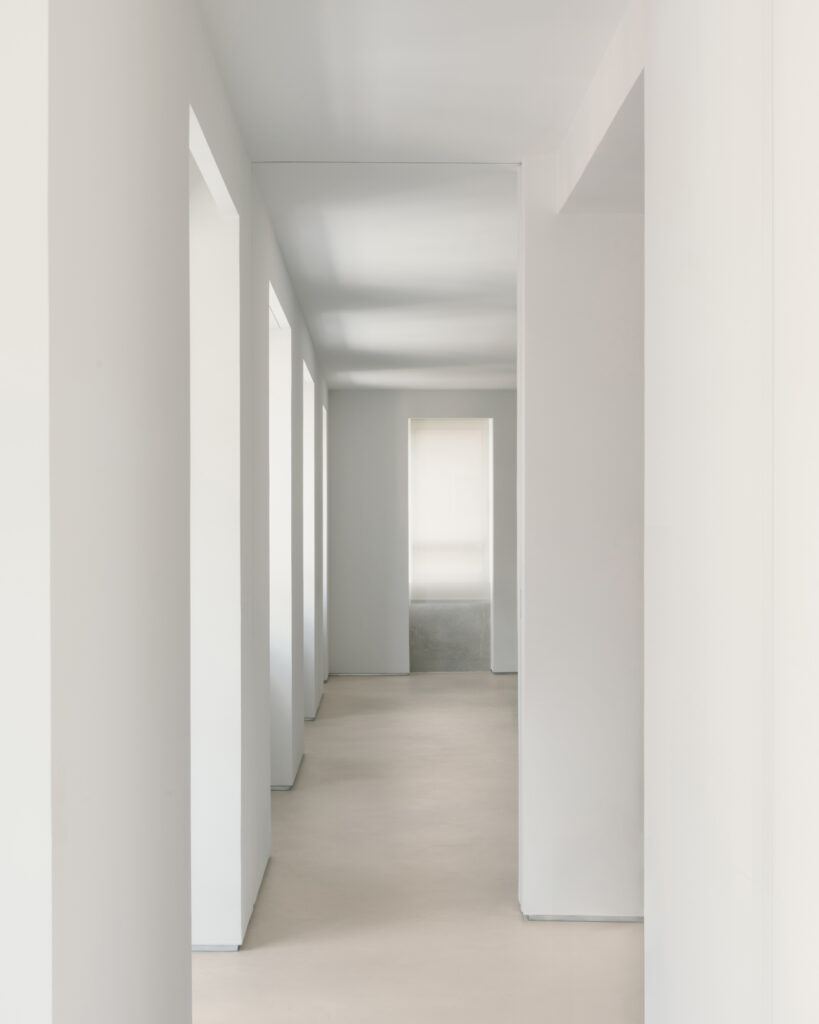
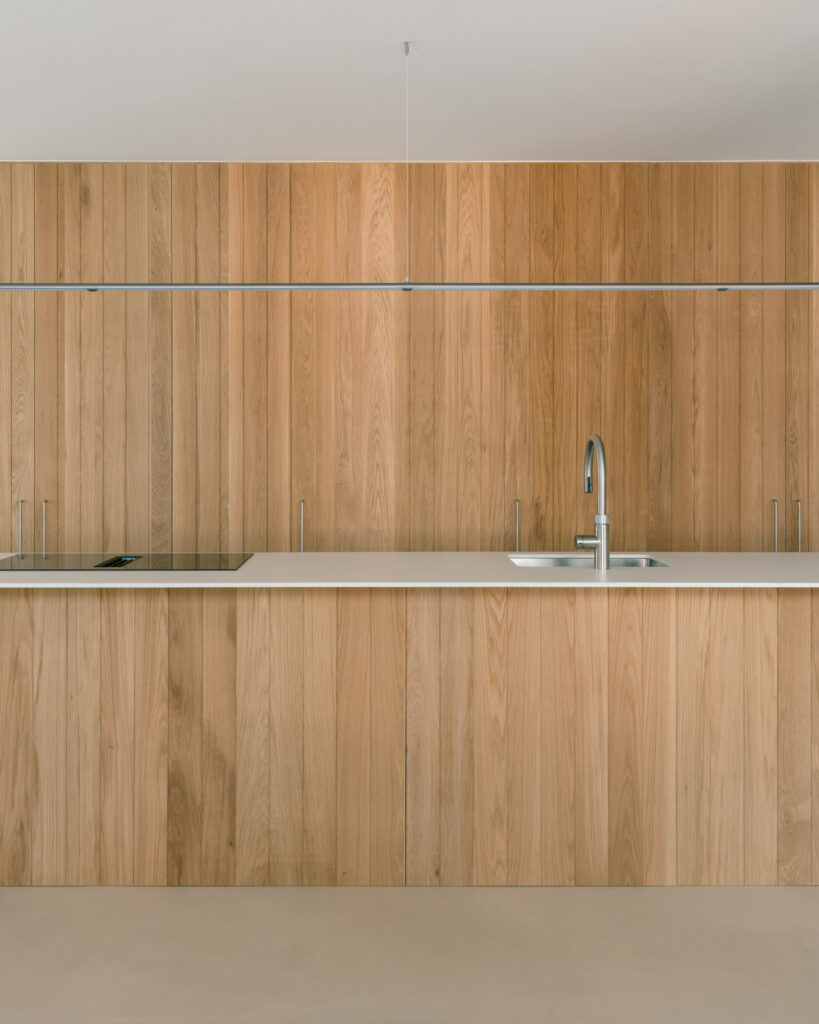
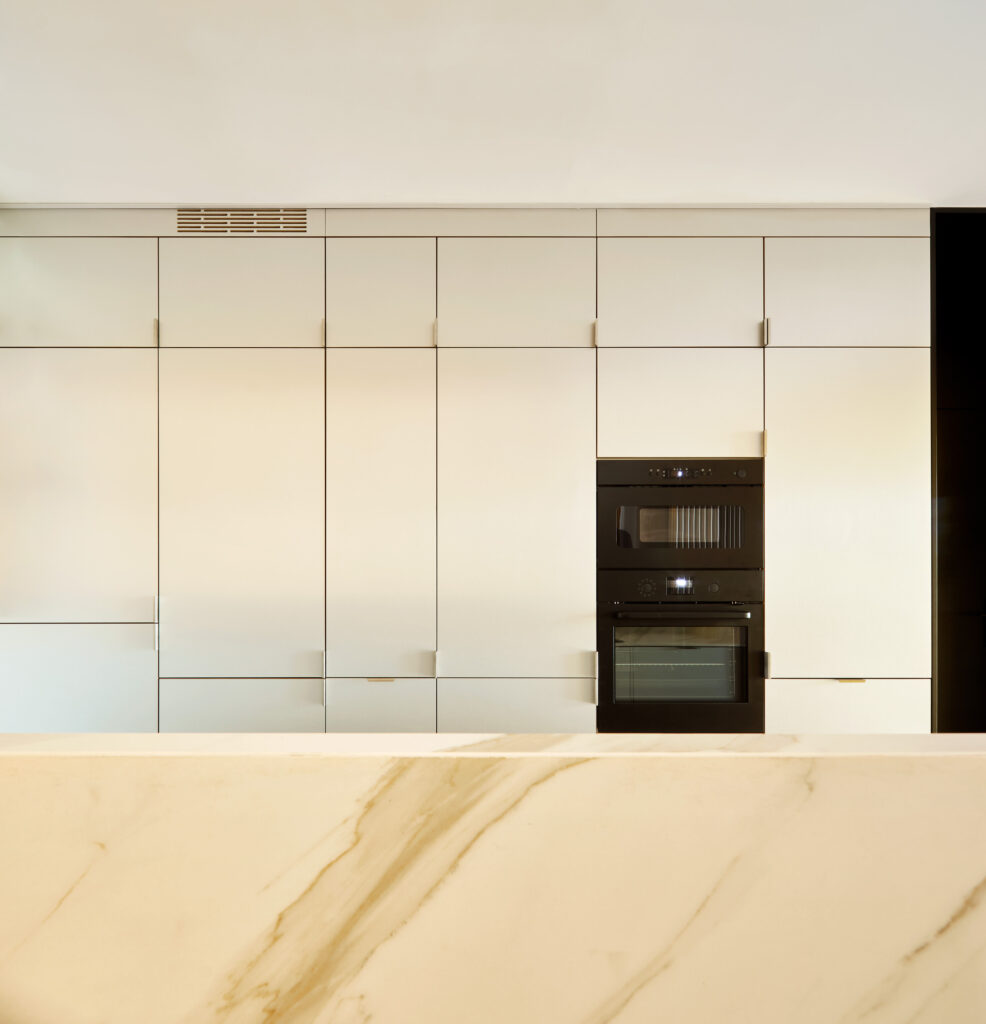
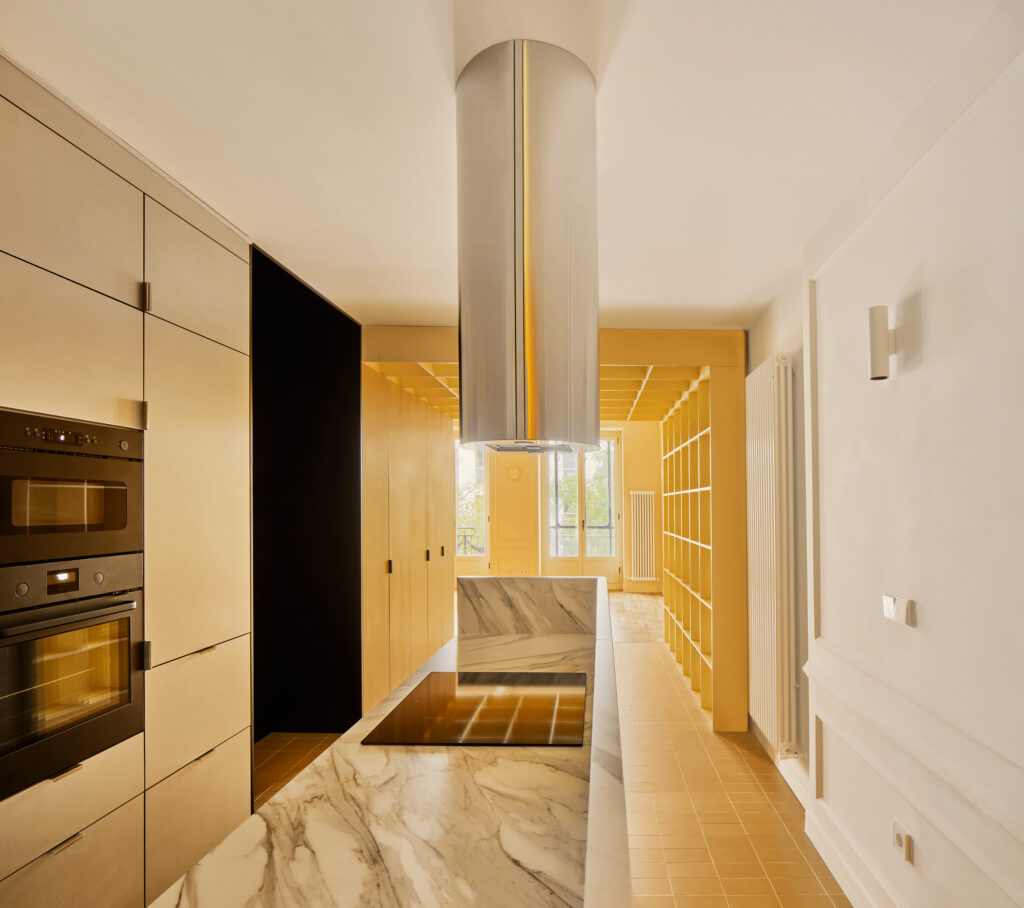
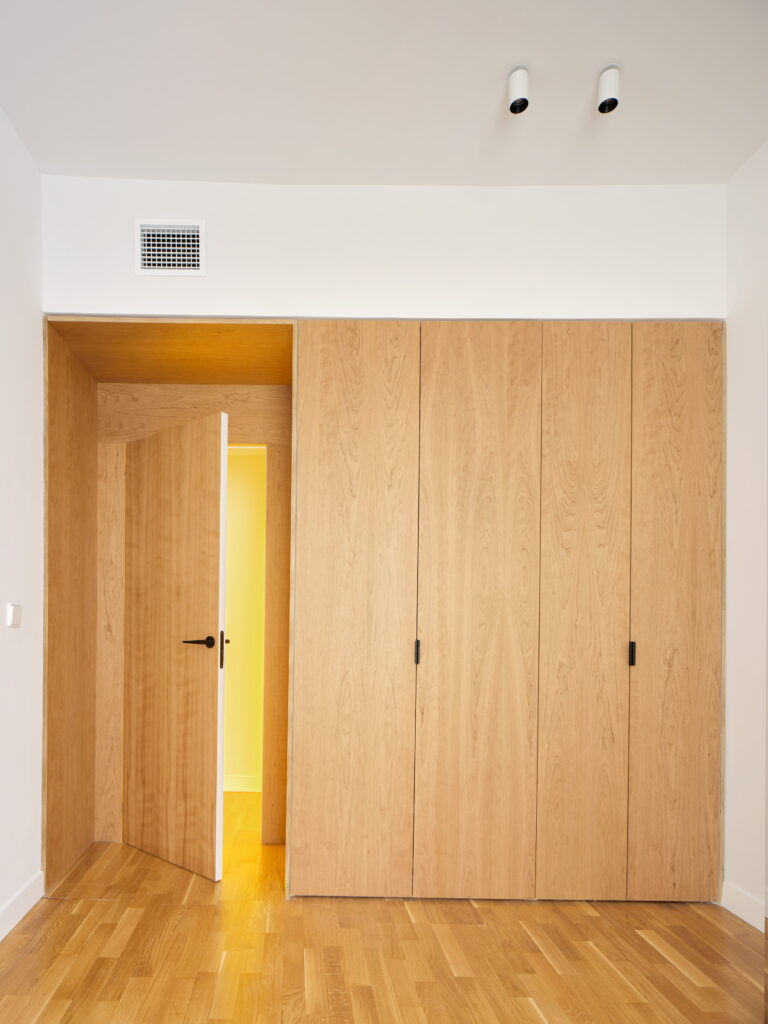
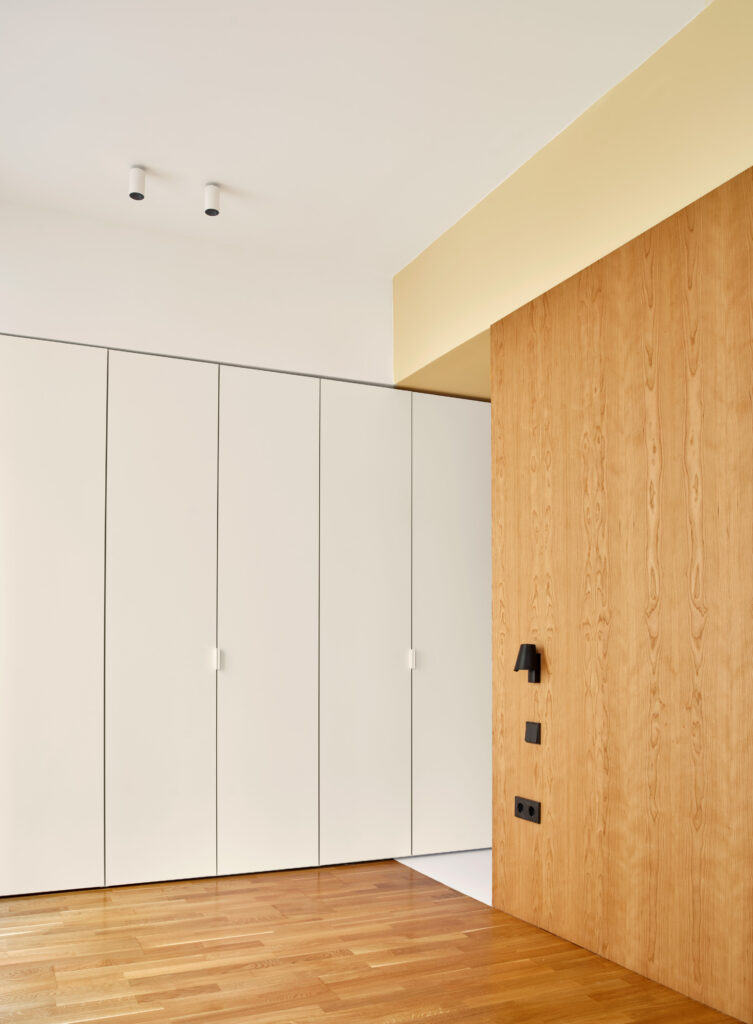
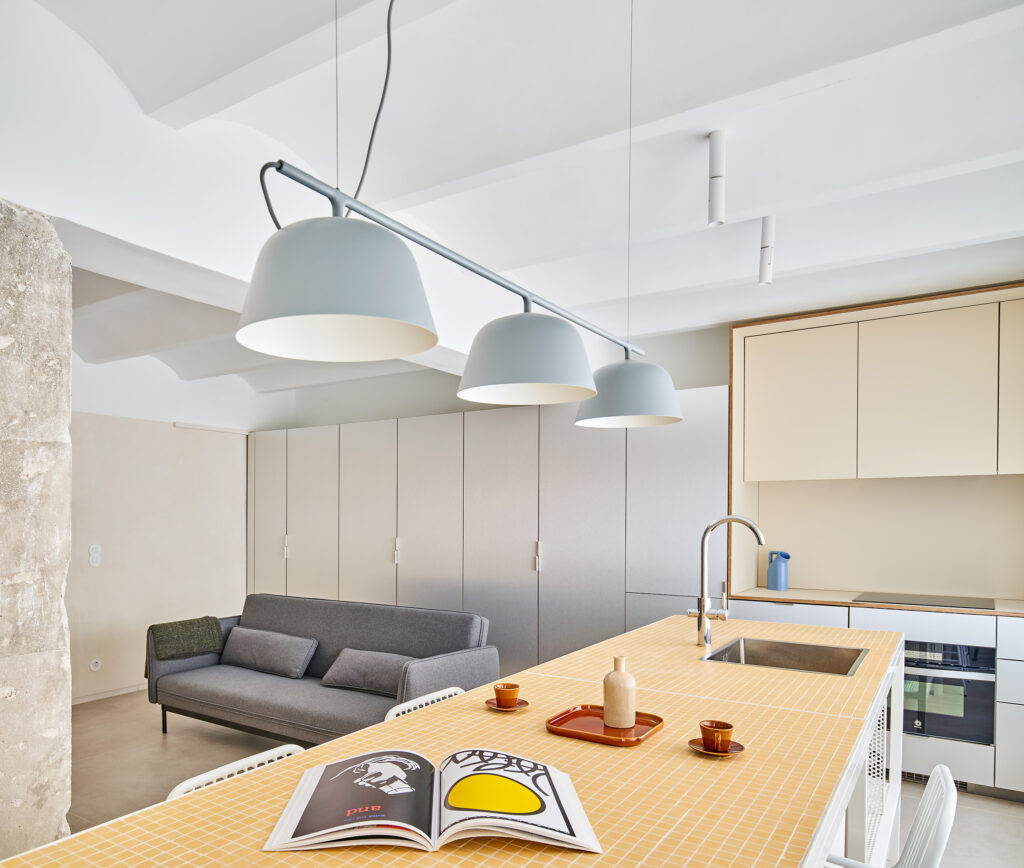
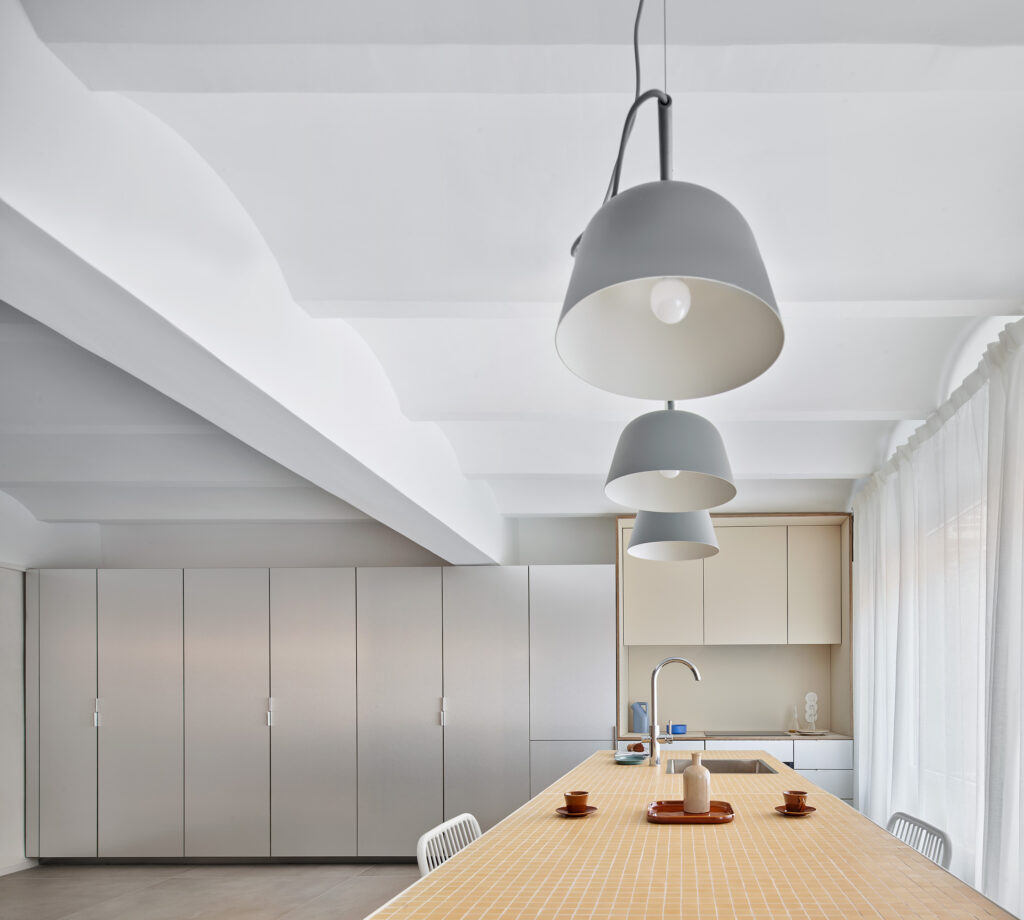
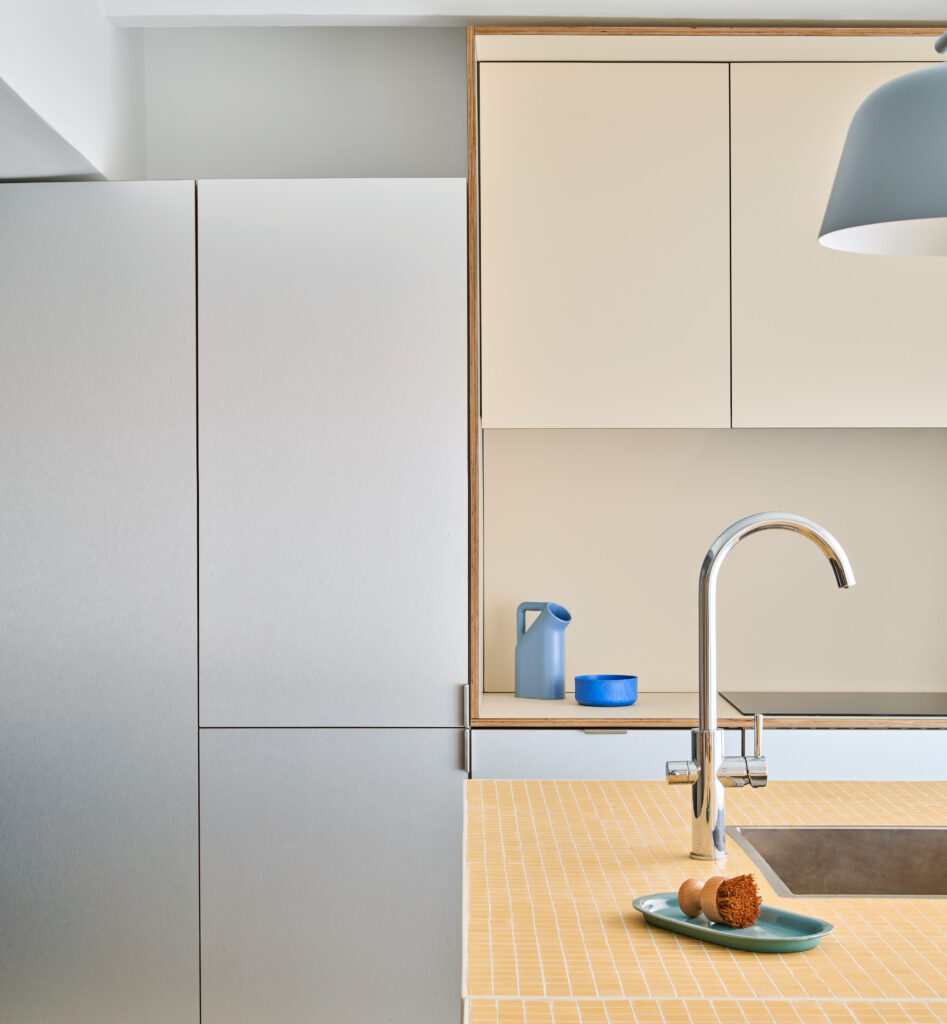
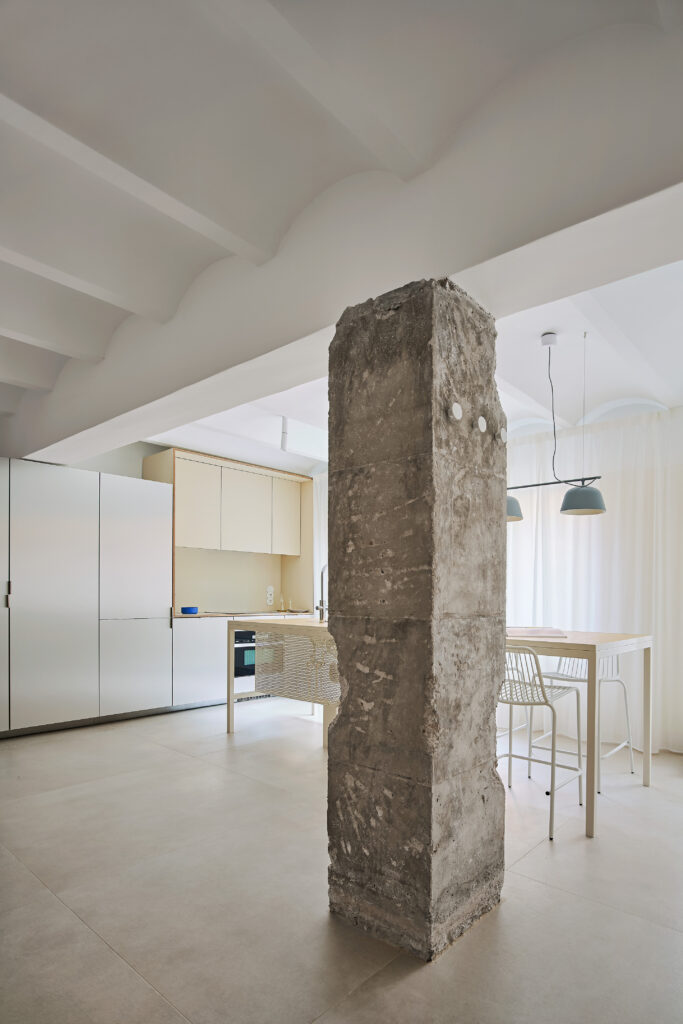
A project in which the home’s position at the corner of the building defines the layout of the floor plan, making the kitchen the heart of the home. The perimeter is kept open to create bright, flowing living spaces, while the service areas are arranged in the darker, more internal parts of the plan.


Architecture: DIIR Studio
Handles: I-1310
Photography: Simone Marcolin


News

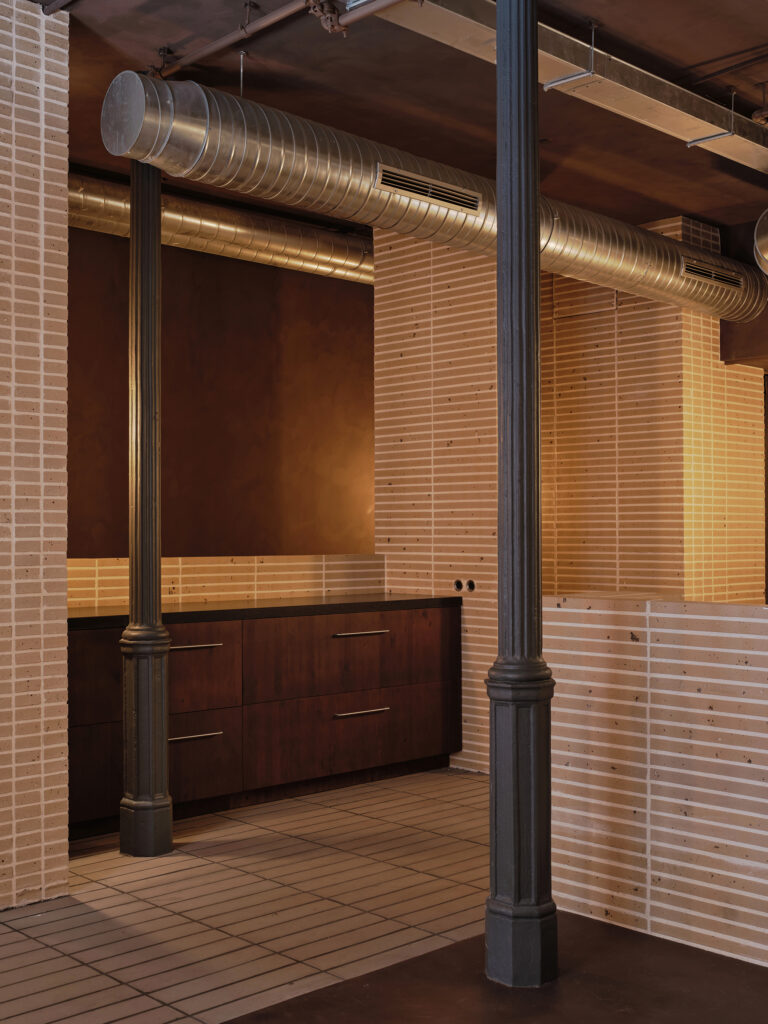
Bistrot TonTon, estudio Diir

Bistrot Tonton, estudio DIIR

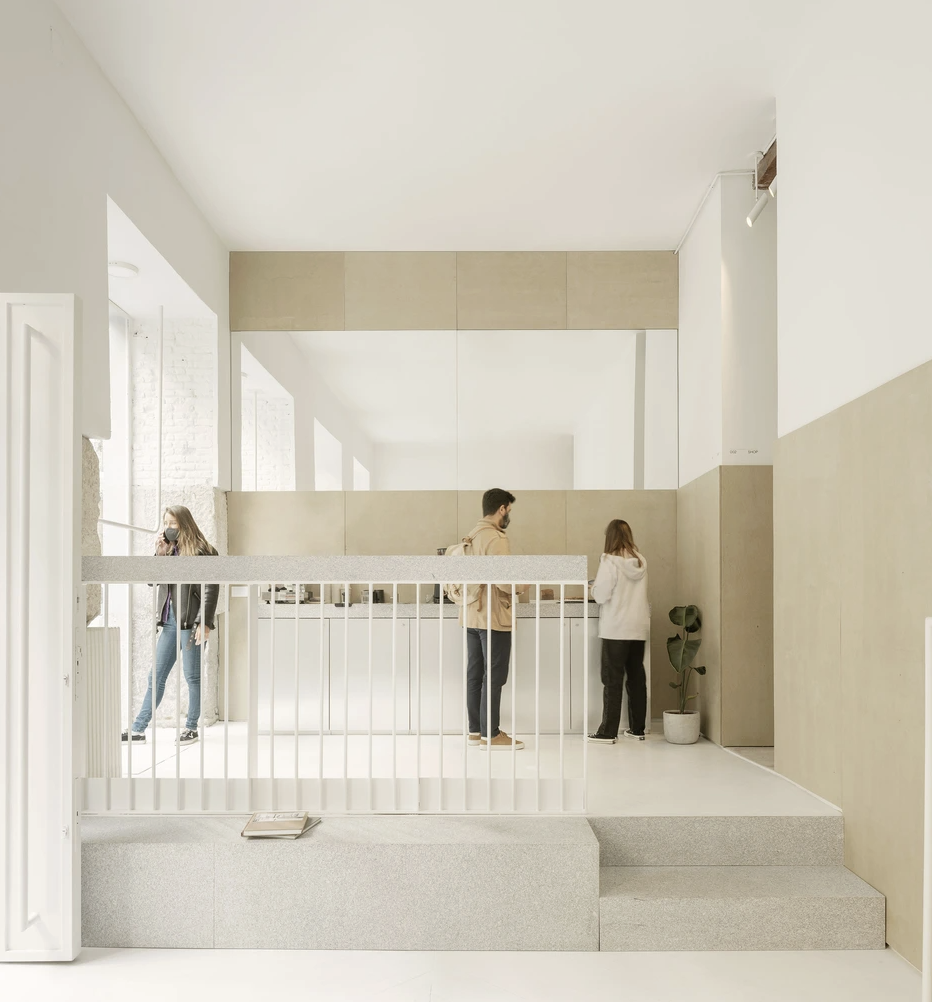
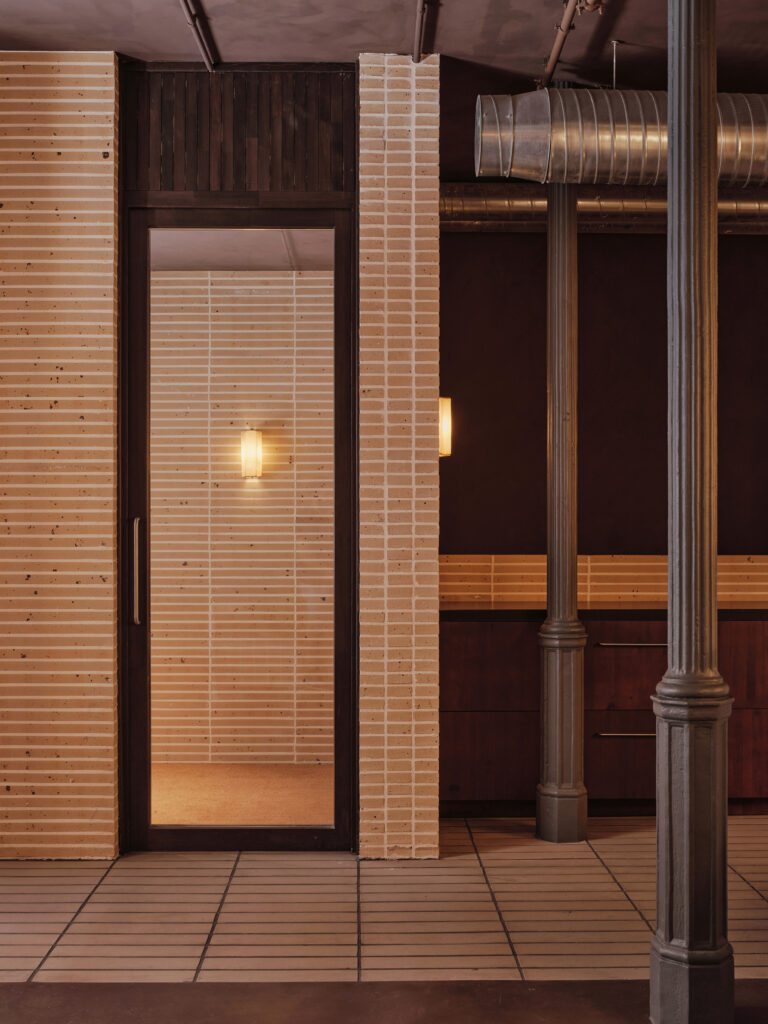
TonTon est un bistrot moderne et tendance situé dans le quartier de Chamberí, à Madrid. Il a rapidement gagné en popularité grâce à sa cuisine d’auteur, fraîche, créative et fondée sur des produits locaux et de saison.


TonTon est né d’une ambition culinaire où la cuisine et l’espace ne peuvent être envisagés l’un sans l’autre. L’espace conçu par le studio DIIR adopte une esthétique industrielle et minimaliste. Les remarquables qualités spatiales du lieu, tout comme l’expressivité de sa construction, sont pleinement mises en valeur afin de révéler toute son identité. Il se distingue par ses murs en briques apparentes, ses imposantes poutres en bois et un éclairage délicatement maîtrisé qui crée une atmosphère intime et chaleureuse.


Architecture : Estudio Diir
Poignées pour cuisine : I-131
Poignées de porte : I-1310
Photographie : David Zarzoso


Actualités

Urban Furniture Finishes

Urban Furniture Finishes

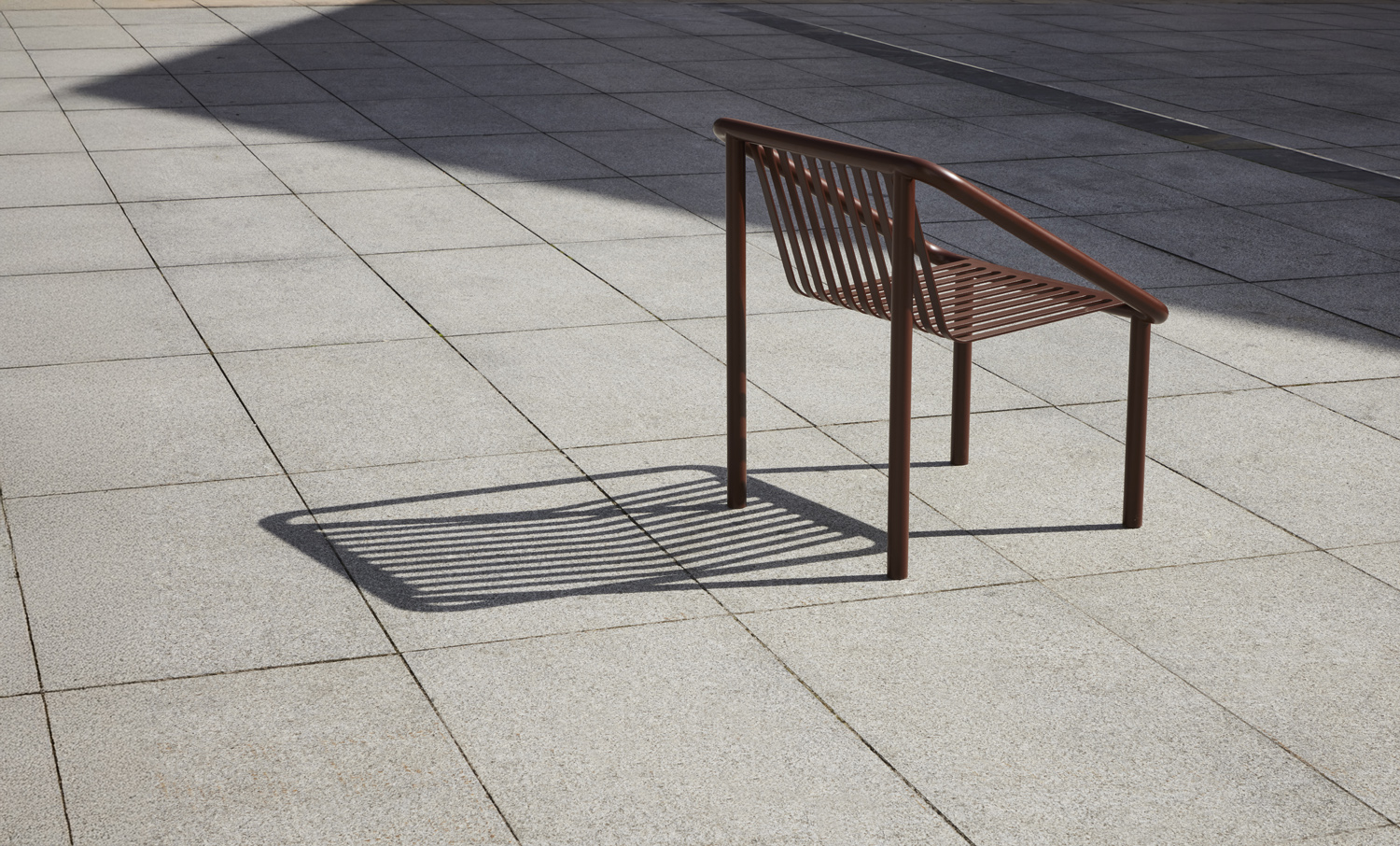
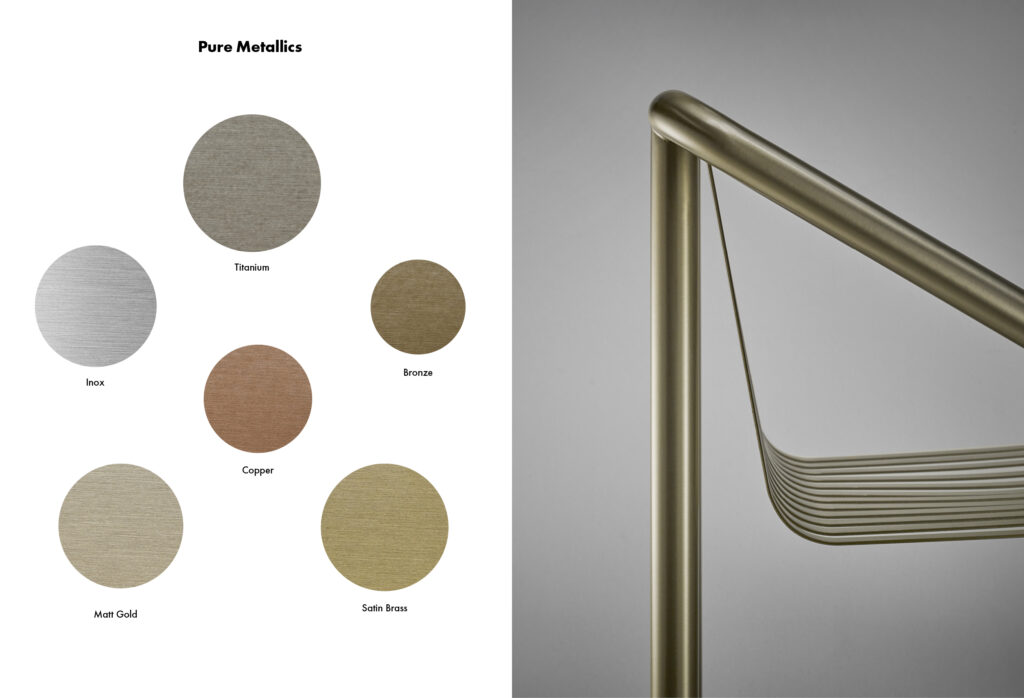
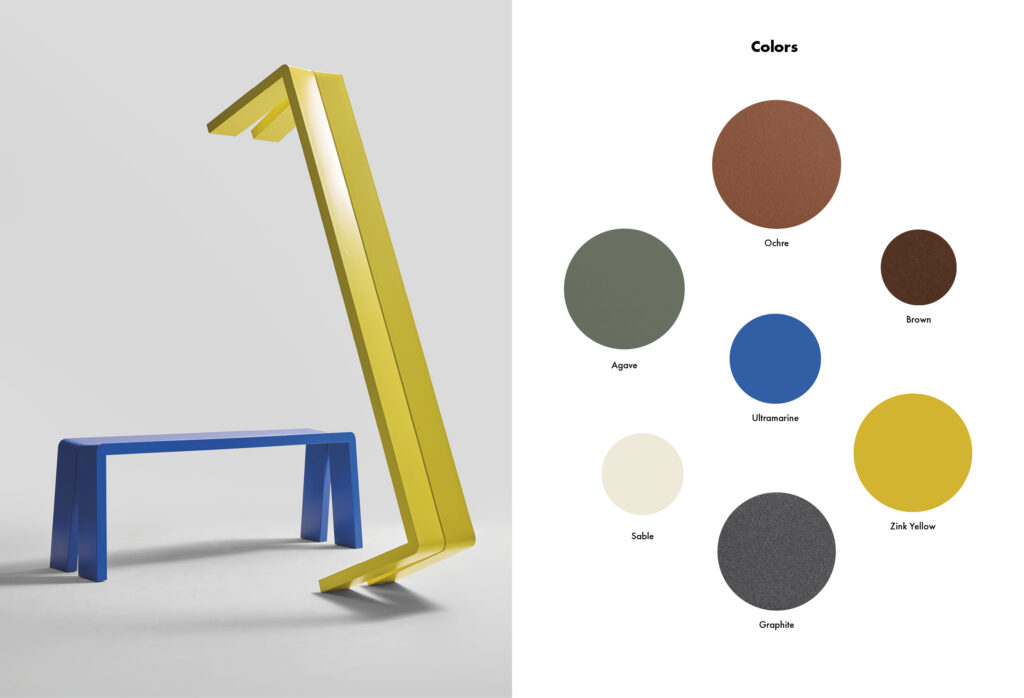
A range of colours and finishes available across the entire collection, designed to give architects, landscape architects and public institutions greater creative freedom when shaping outdoor spaces. Small details capable of making a significant impact. The range is organised into two finish families: **Metallics**, which preserve the natural metallic character of each piece, and **Colours**, which provide a full-colour finish.

Pure Metallics


Colors

Custom Colour Options

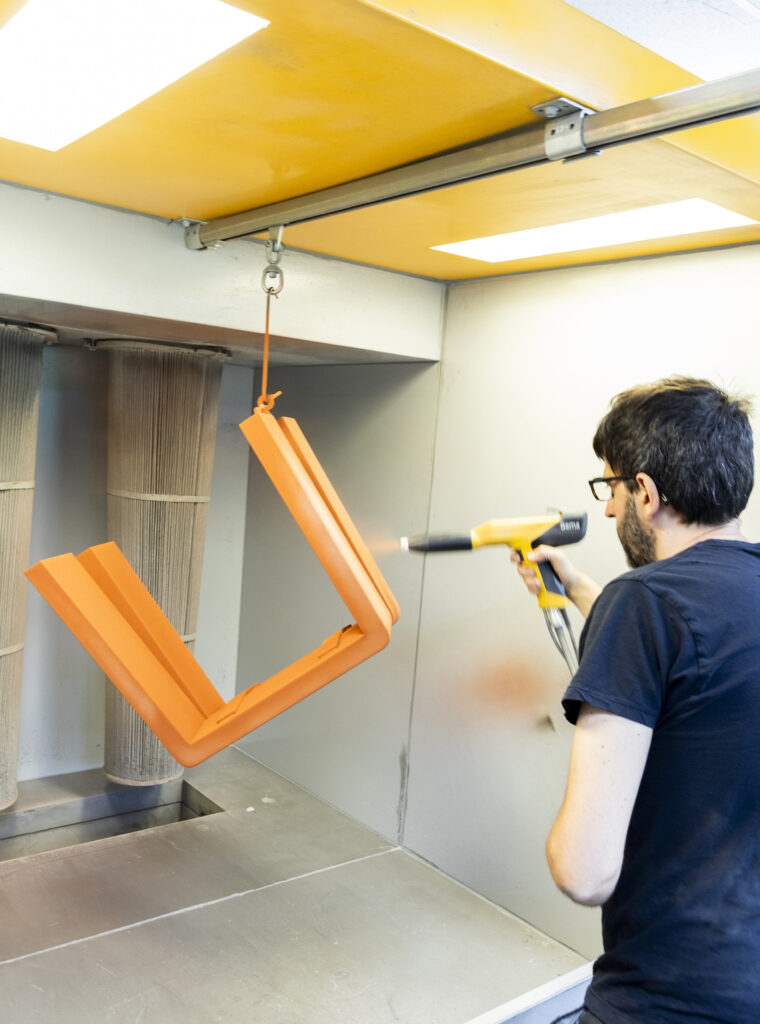
As manufacturers, our in-house electrostatic coating process not only allows us to introduce new colour ranges, but also to adapt to the specific needs and preferences of our clients. Didheya’s custom colour service makes it possible to create unique pieces tailored to individual projects.


News

Myths and Misconceptions About Stainless Steel

Myths and Misconceptions About Stainless Steel

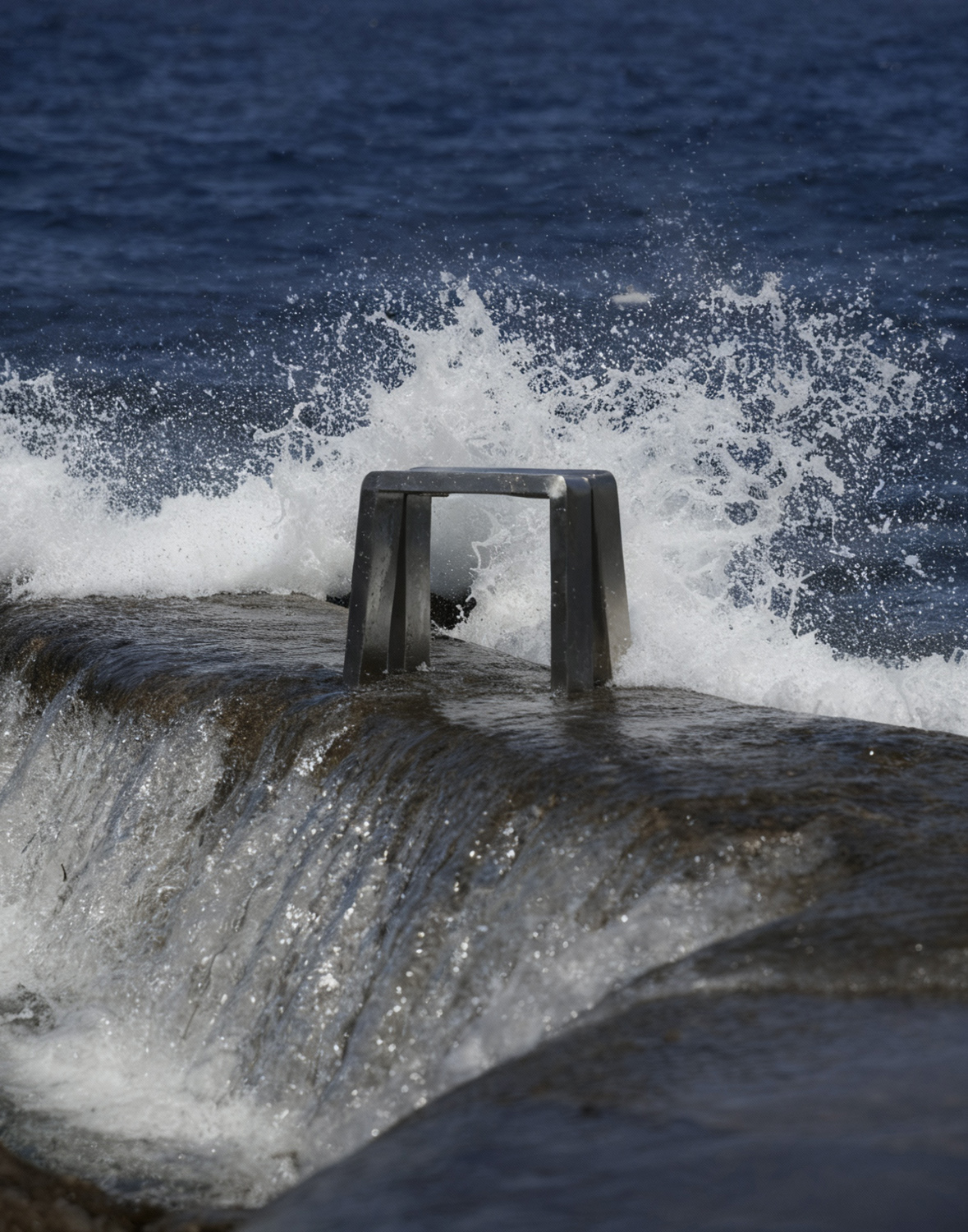
The thermal behaviour of stainless steel outdoors is quite different from what you might expect. Rather than storing heat, stainless steel is an efficient conductor, allowing it to transfer heat quickly and maintain a more balanced thermal performance. Stainless steel is also hygienic, durable, fully recyclable, and, unlike many other materials, requires very little maintenance.

#1

Is stainless steel suitable for outdoor use because of its thermal behaviour?

Yes. Stainless steel is an excellent thermal conductor rather than a heat accumulator. This means it quickly adapts to the ambient temperature instead of retaining excessive heat, helping to avoid surfaces that become uncomfortably hot or cold. Its balanced thermal behaviour makes it an ideal material for outdoor applications.

#2

Does stainless steel withstand the passage of time and exposure to the elements?

Absolutely. Stainless steel is highly resistant to corrosion, even in coastal or humid environments. It does not rust or deteriorate easily, ensuring exceptional durability while requiring only minimal maintenance.

#3

Does stainless steel urban furniture require a lot of maintenance?

No. An occasional clean with water and a mild soap is enough to preserve its original appearance. Its smooth surface prevents dirt from accumulating, making it a practical, low-maintenance material.

#4

Is stainless steel a sustainable material?

No. An occasional clean with water and mild soap is all that is needed to preserve its original appearance. Its smooth surface prevents dirt from building up, making stainless steel a practical, low-maintenance choice.

#5

Is stainless steel hygienic and safe for outdoor use?

Absolutely. Its non-porous surface prevents the growth of bacteria, mould and fungi. In addition, it does not release toxic compounds or degrade when exposed to sun or rain, making it a hygienic and safe choice for any outdoor environment.

#6

How does exposure to sunlight affect stainless steel?

It is not affected negatively. Stainless steel does not discolour, crack or lose its properties when exposed to sunlight, making it an excellent choice for areas that receive year-round sun.

#7

Does stainless steel get too hot in the sun?

Less than you might expect. As an efficient conductor of heat, stainless steel warms up in the sun but also dissipates heat quickly. This prevents prolonged heat build-up that could become uncomfortable.

#8

Can stainless steel be used near the sea or in coastal environments?

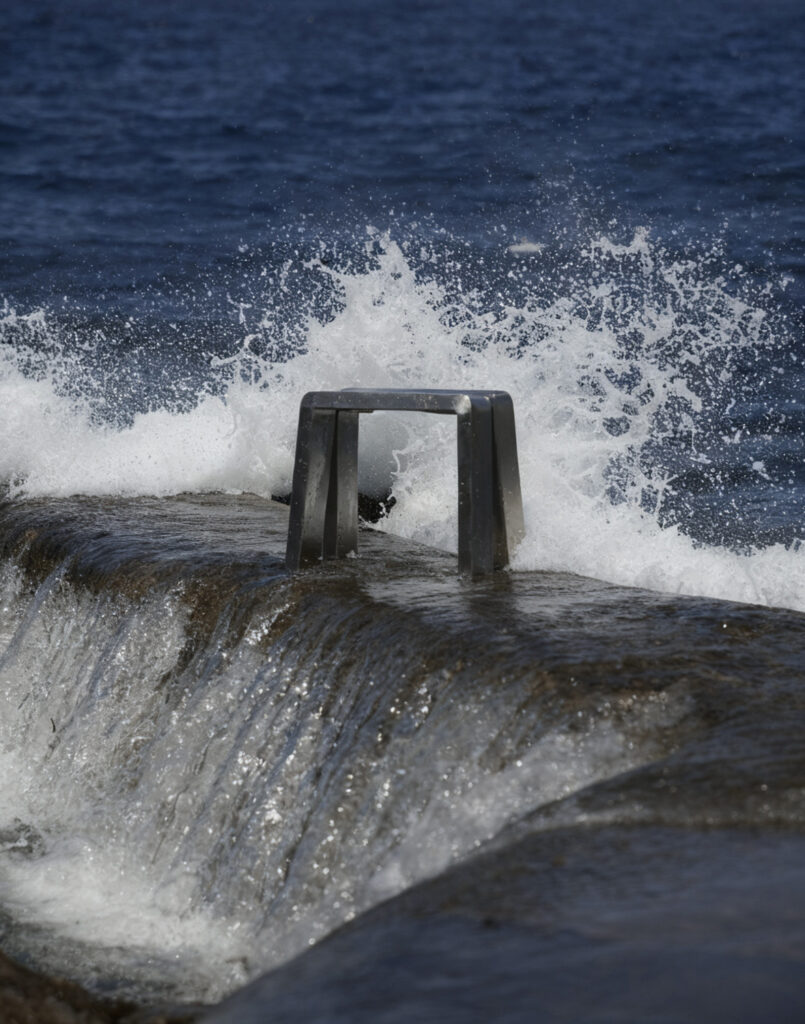
Yes, especially marine-grade stainless steel (AISI 316). This specific alloy offers superior resistance to corrosion caused by salt-laden environments, making it ideal for coastal areas and swimming pools.

#9

How does stainless steel compare to other materials in terms of durability?

By a considerable margin. Unlike wood or aluminium, stainless steel does not warp, rust or deteriorate over time, making it a long-lasting investment.

#10

Is stainless steel suitable for high-traffic environments such as hospitality venues or public spaces?

Absolutely. Its structural strength, ease of cleaning and exceptional durability make stainless steel an ideal choice for demanding environments with heavy footfall and continuous use.

#11

Can stainless steel be combined with other materials such as wood, fabric or stone?

Absolutely. Its clean, understated aesthetic allows it to pair seamlessly with almost any material, adding contrast and a contemporary touch without overwhelming the overall design.

#12

Does stainless steel have a negative environmental impact during its service life?

No. It does not release toxic substances or cause pollution. Its exceptional durability also reduces the need for frequent replacements, helping to lower resource consumption over the long term.

#13

How does the appearance of stainless steel change over time?

Very little. With minimal care, it retains its original appearance for decades. Even if minor surface staining does occur, it can be easily restored through specialist cleaning or polishing.

#14

Is stainless steel a more expensive option than other materials?

The initial investment may be higher, but it more than pays for itself. Its durability, low maintenance requirements and long service life make it a more cost-effective solution over the medium and long term.


News

Interview with Jean Louis Iratzoki

We spoke with Jean Louis Iratzoki to hear first-hand about the work behind the launch of our new urban furniture collection. Together, we have developed five new collections that share stainless steel as their core material, with products designed for both public and private spaces. In this interview, he introduces us to this new chapter while reflecting on our long-standing creative collaboration.

What makes the collaboration between Didheya and Studio Iratzoki special for you?

For us, what makes this collaboration particularly meaningful is that it goes far beyond simply creating objects. Above all, it is a close partnership with the brand, built around its values and its vision for the future.

This isn’t the first time we’ve worked together, is it?

No. Our first collaboration began many years ago—several decades, in fact. We worked together on the development of a bathroom accessories collection, naturally in stainless steel. A few years ago, we collaborated again on the design of several collections for the architectural hardware range, including sliding door pulls and cabinet knobs. Now, after several years of development, we are beginning this new chapter with the launch of five urban furniture collections.

How would you describe the brand’s journey?

Didheya began its journey in the 1990s, developing stainless steel architectural hardware and accessories for the home. Later, in response to changing market conditions and successive industry crises, the company successfully expanded into entirely new sectors, designing stainless steel products for public transport and industry, particularly for metro systems, trains, and buses.

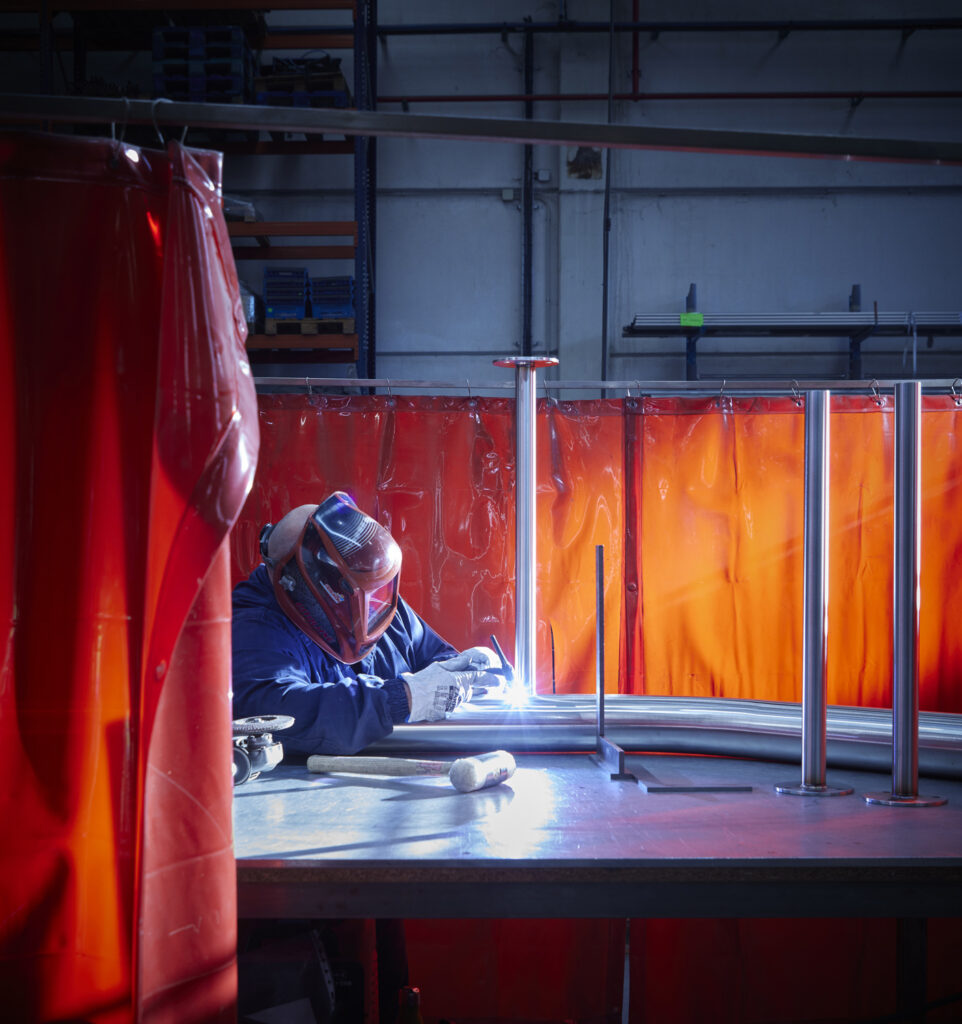
Over the years, the company has built genuine expertise in working with stainless steel across different applications and scales, mastering every stage of the process—from design and development to laser cutting, bending, machining, welding, and distribution.

Today, Didheya begins a new chapter, bringing that accumulated knowledge into a new field: stainless steel urban furniture.
How did you approach your work on this project?

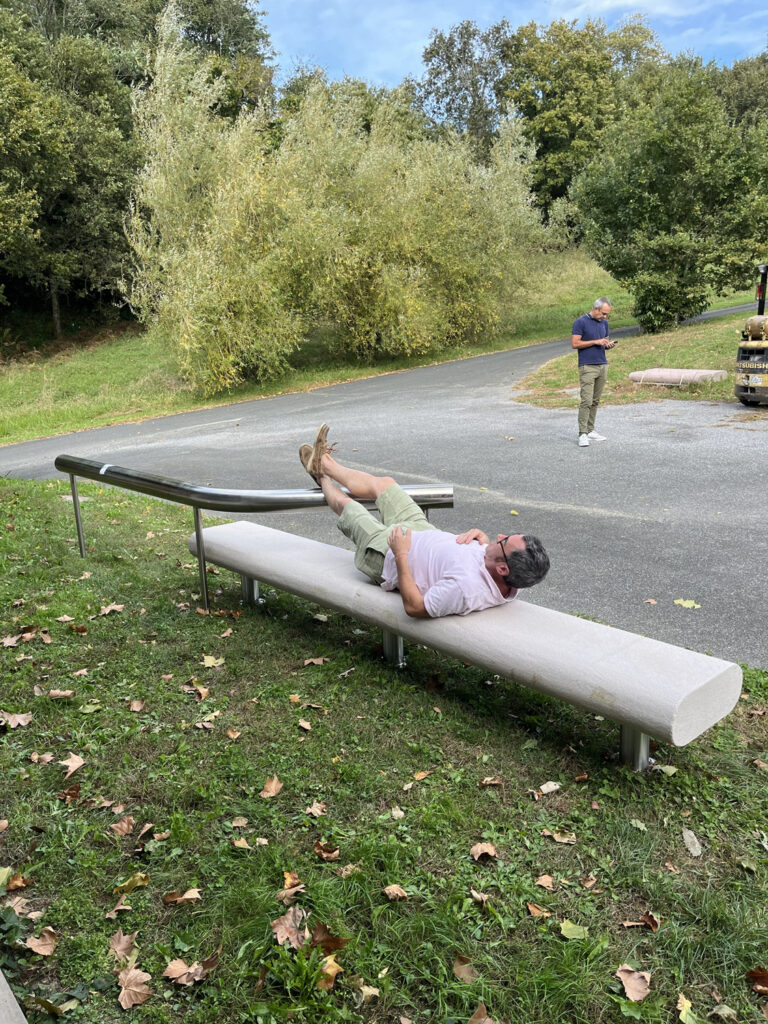
We approached the project through the material itself, designing products for both public and private spaces. Our aim was to create pieces that are durable, highly resistant, and easy to maintain. Some collections combine stainless steel with other materials such as solid wood, concrete, or stone, all produced by companies located near Didheya in the Basque Country.

We also focused on the different activities that take place in public spaces, paying close attention not only to form, but also to function and the experience of the people who use them.

And what collections have you created?

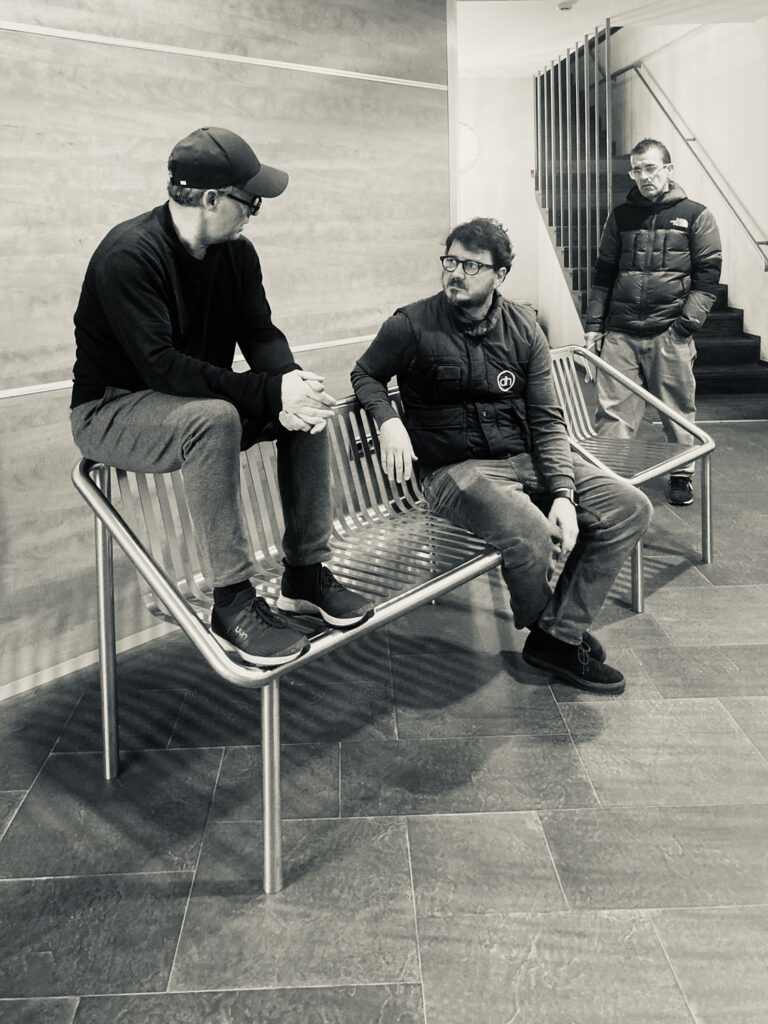
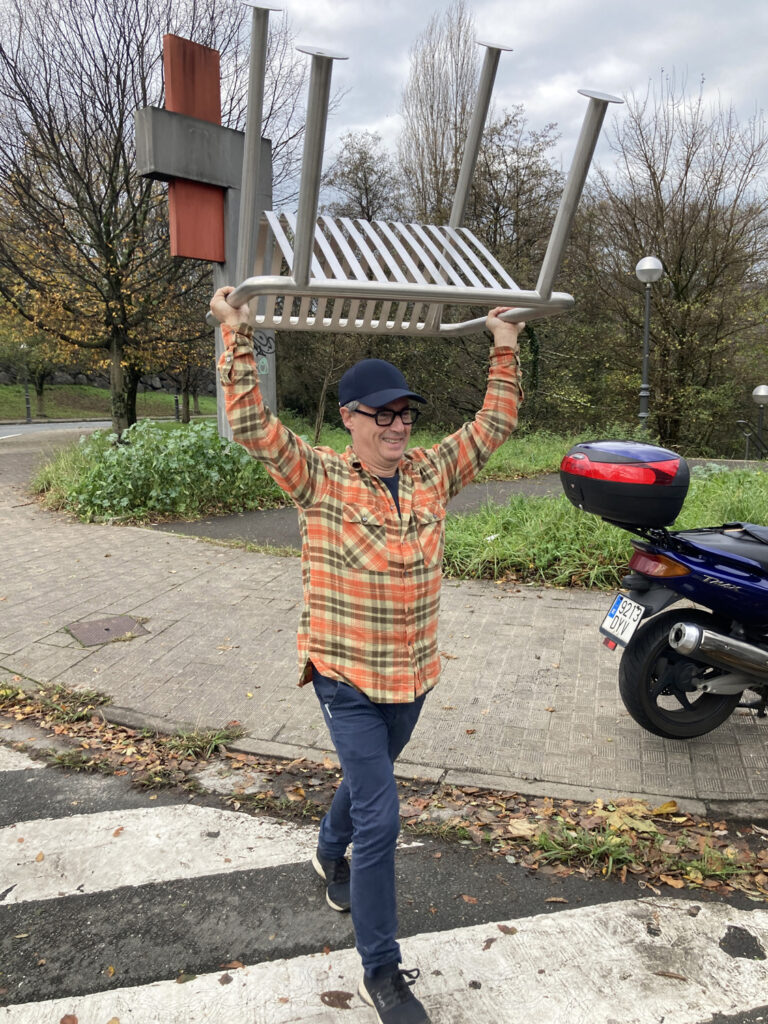
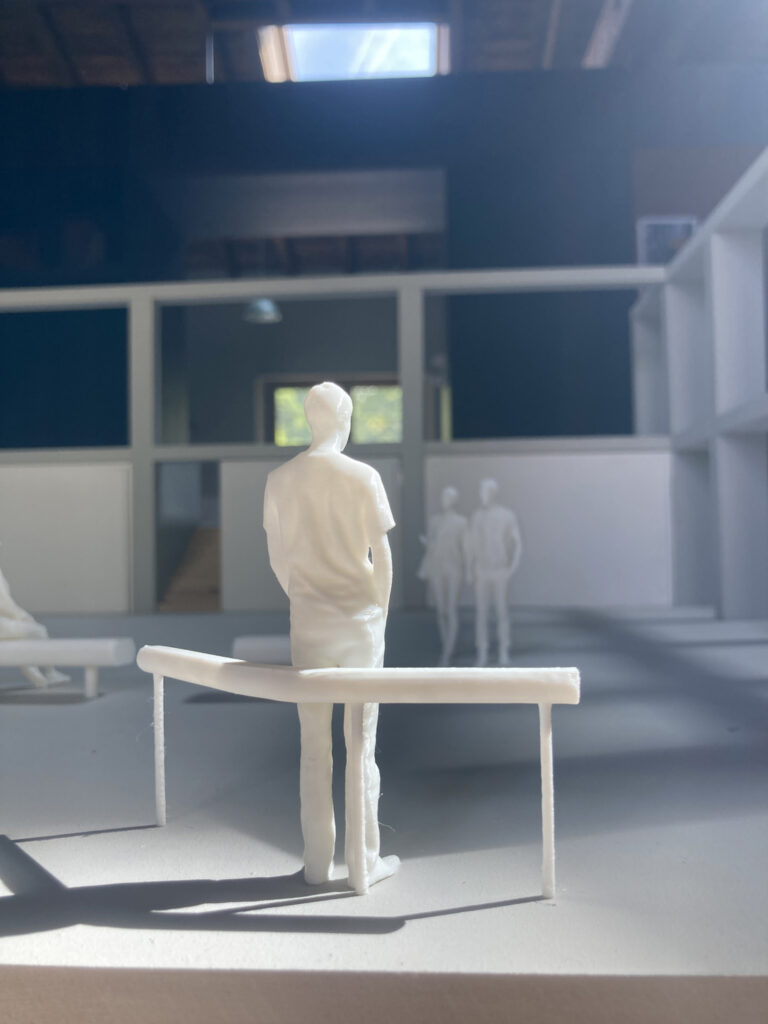
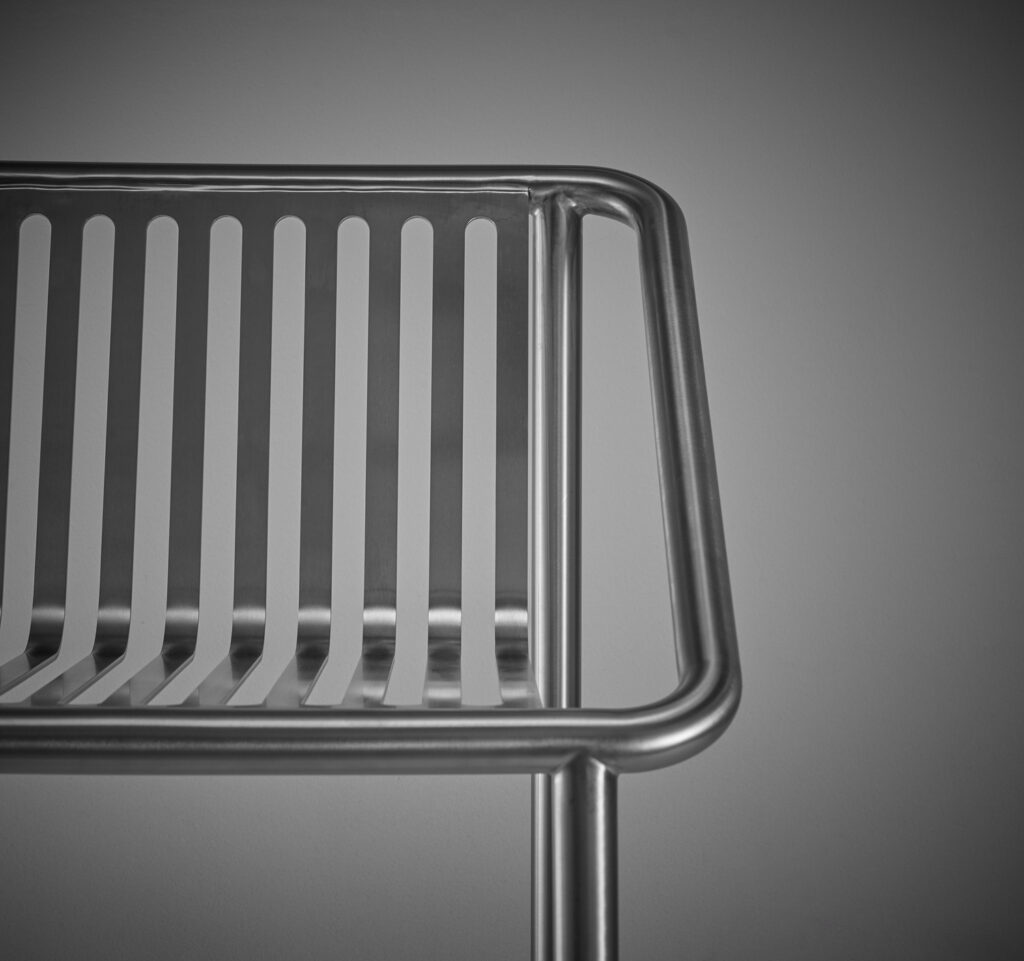
We have developed five collections, each with its own distinct character, yet all connected by stainless steel as a common thread. Hanka is a collection of benches made from cut and bent steel tubing, with clean lines and robust proportions that embody Didheya’s technical expertise. Hodi is a modular system that allows for straight or curved configurations, with or without backrests, and even the integration of small tables to multiply its possible uses. Aroa seeks to bring genuine comfort to public spaces, with pieces ranging from an individual armchair to a communal bench, all defined by their visual lightness. Ingude is a reinterpretation of the traditional bench, combining stainless steel with pine wood treated with linseed oil, designed to integrate equally well into both urban and natural environments. And Luze, the most versatile of the collections, combines stainless steel with concrete or locally sourced stone, allowing architects to organise and define spaces easily with just a few elements.

There is a thread that connects Didheya’s origins with this new project. How do you see it?

Yes, and it is something we believe is important to emphasise. Didheya was founded in the Basque Country in 1994, rooted in a strong metalworking tradition, and that heritage remains at the heart of everything we do. Working with nearby companies, locally sourced stone, or timber from the region is not simply a practical decision—it is a way of understanding design. Objects gain meaning when they are connected to the place where they are made and to the people who make them. In many ways, this new urban furniture collection is an opportunity to carry that heritage forward without ever losing sight of where we come from.


News

Apartment in Chamberí, by Gonzalo del Val

Apartment in Chamberí, by Gonzalo del Val

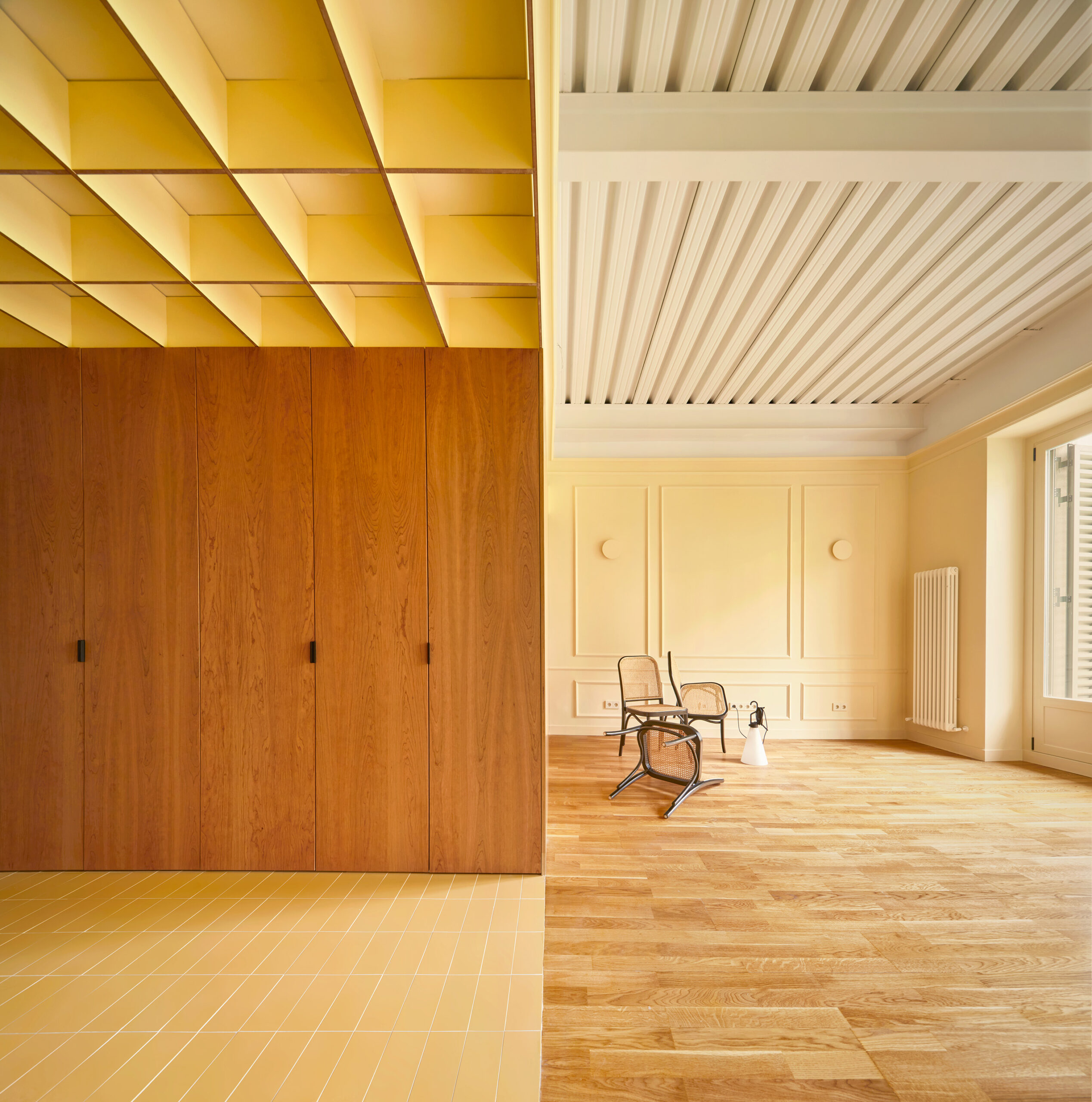
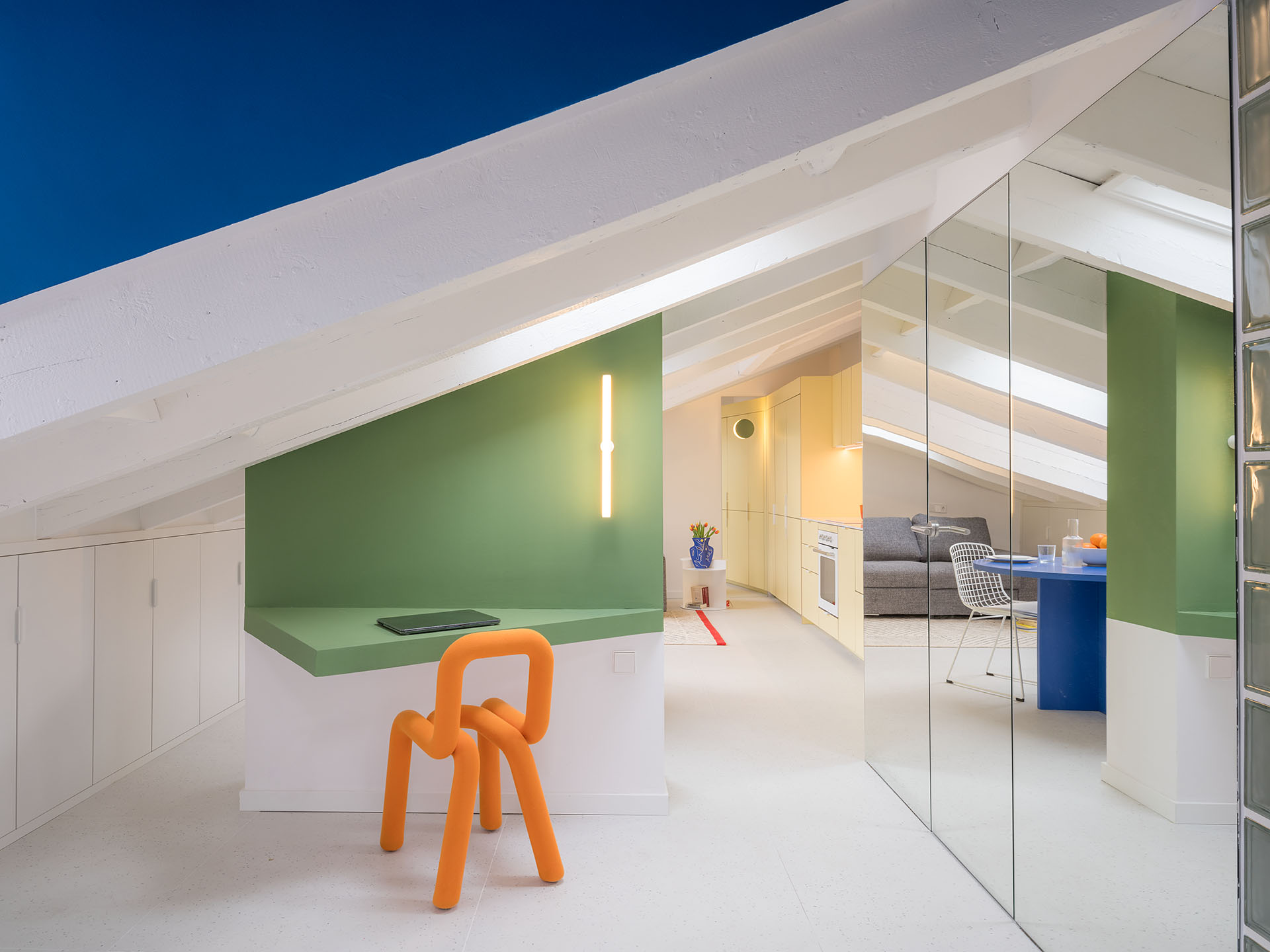
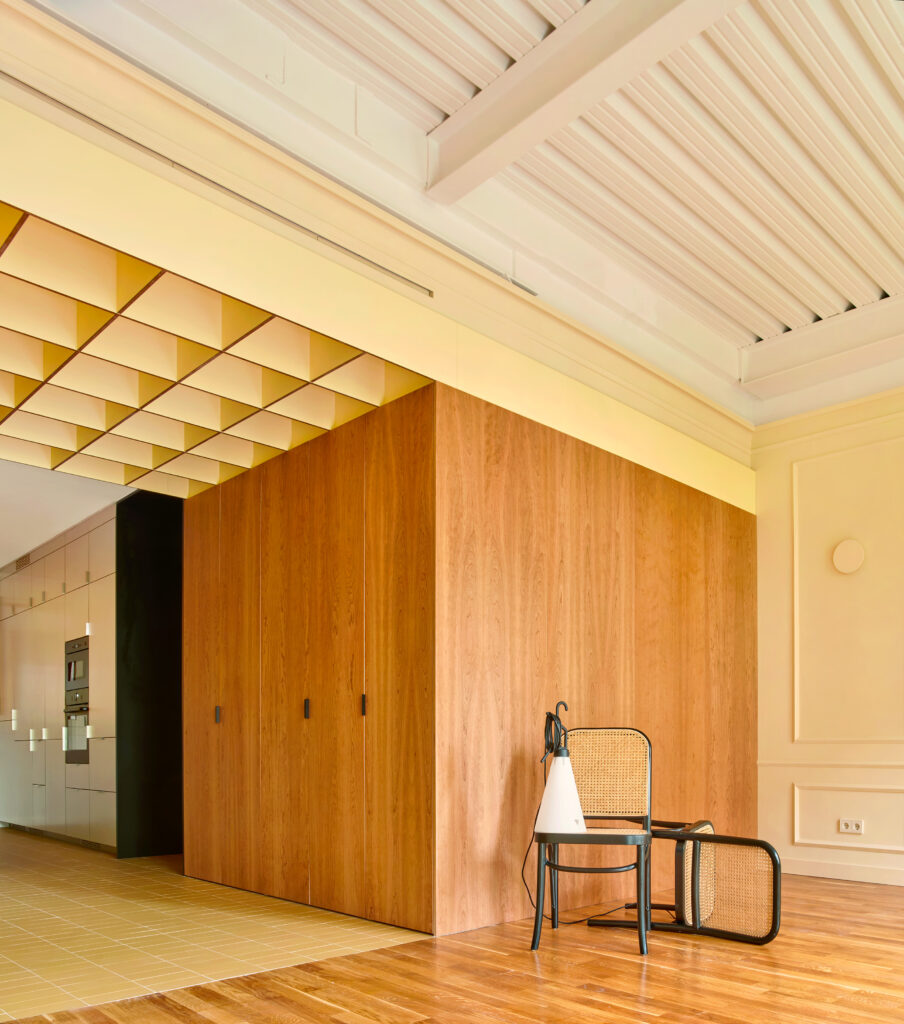
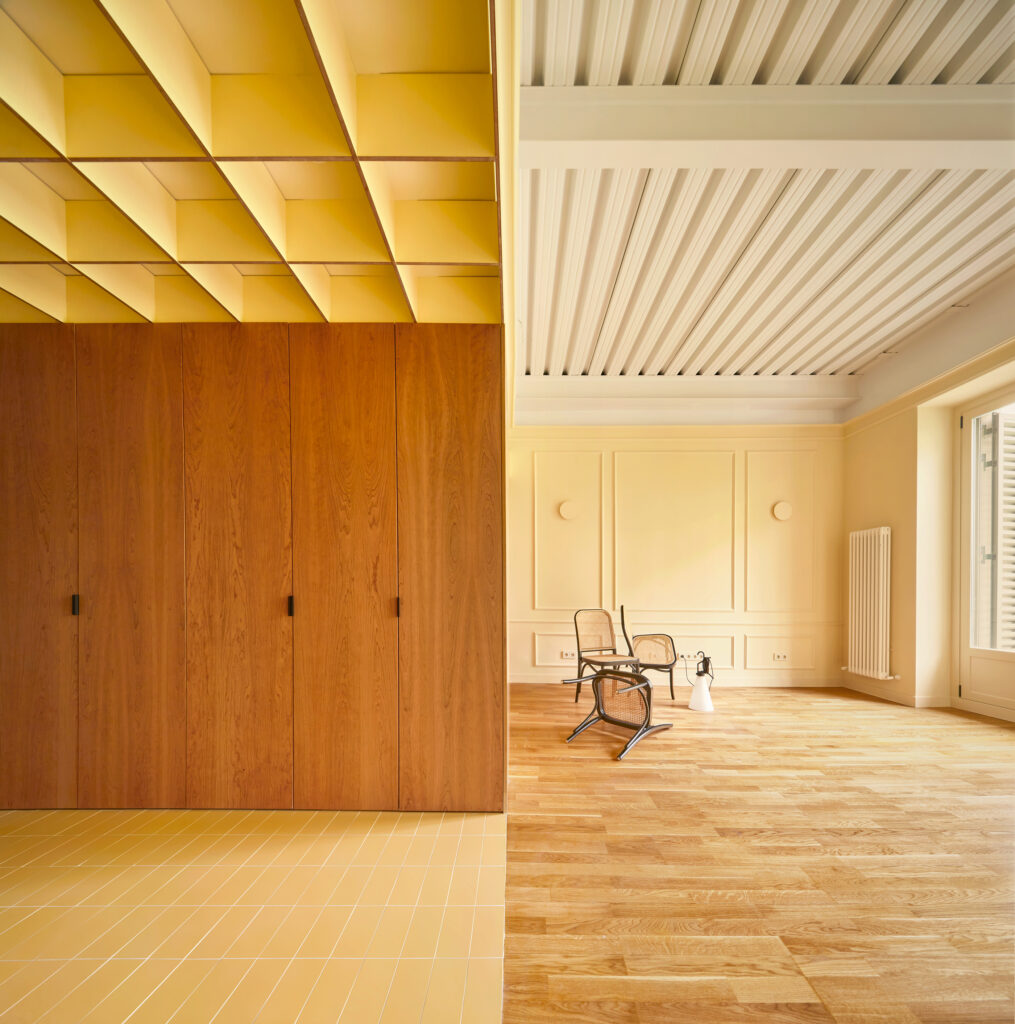
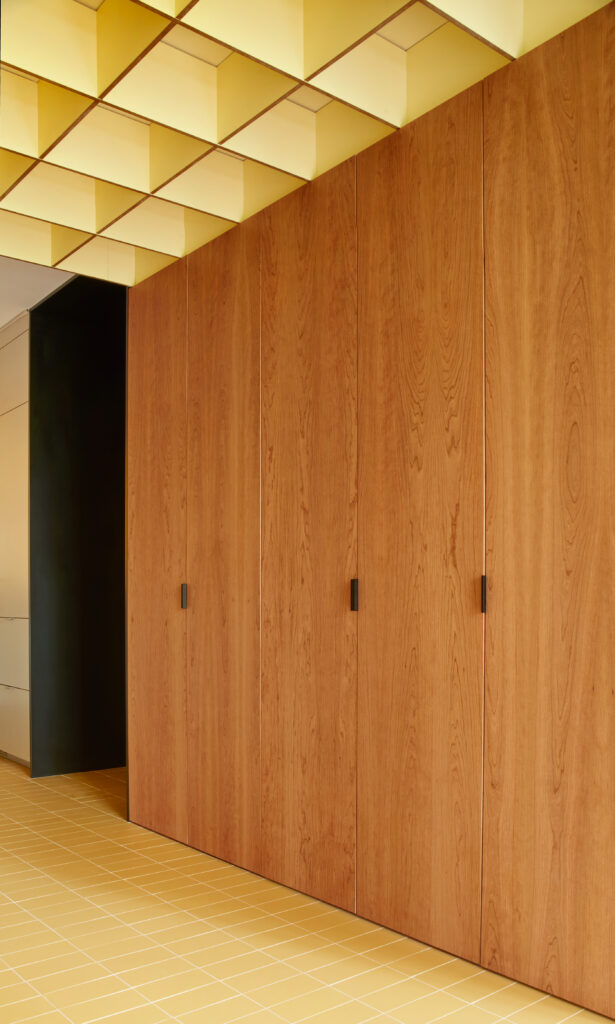
Early 20th-century apartments in Madrid are typically organized around long corridors and small internal courtyards. This proposal brings together the entrance hall, kitchen, and living room into a single continuous space, where each area is defined by a distinctive architectural element: a large vanilla-coloured MDF shelving unit that folds into the suspended ceiling, a cherry wood volume emerging into the living room, and black panelling that marks the entrance. Cherry wood, aluminium, marble, and off-white finishes coexist with the exposed steel structure, allowing the living room to reach a height of over three metres.


Architecture: Gonzalo del Val
Cabinet Handles: In-350
Photography: José Hevia


News

BM32 House, Estudio Reciente

BM32 House, Estudio Reciente

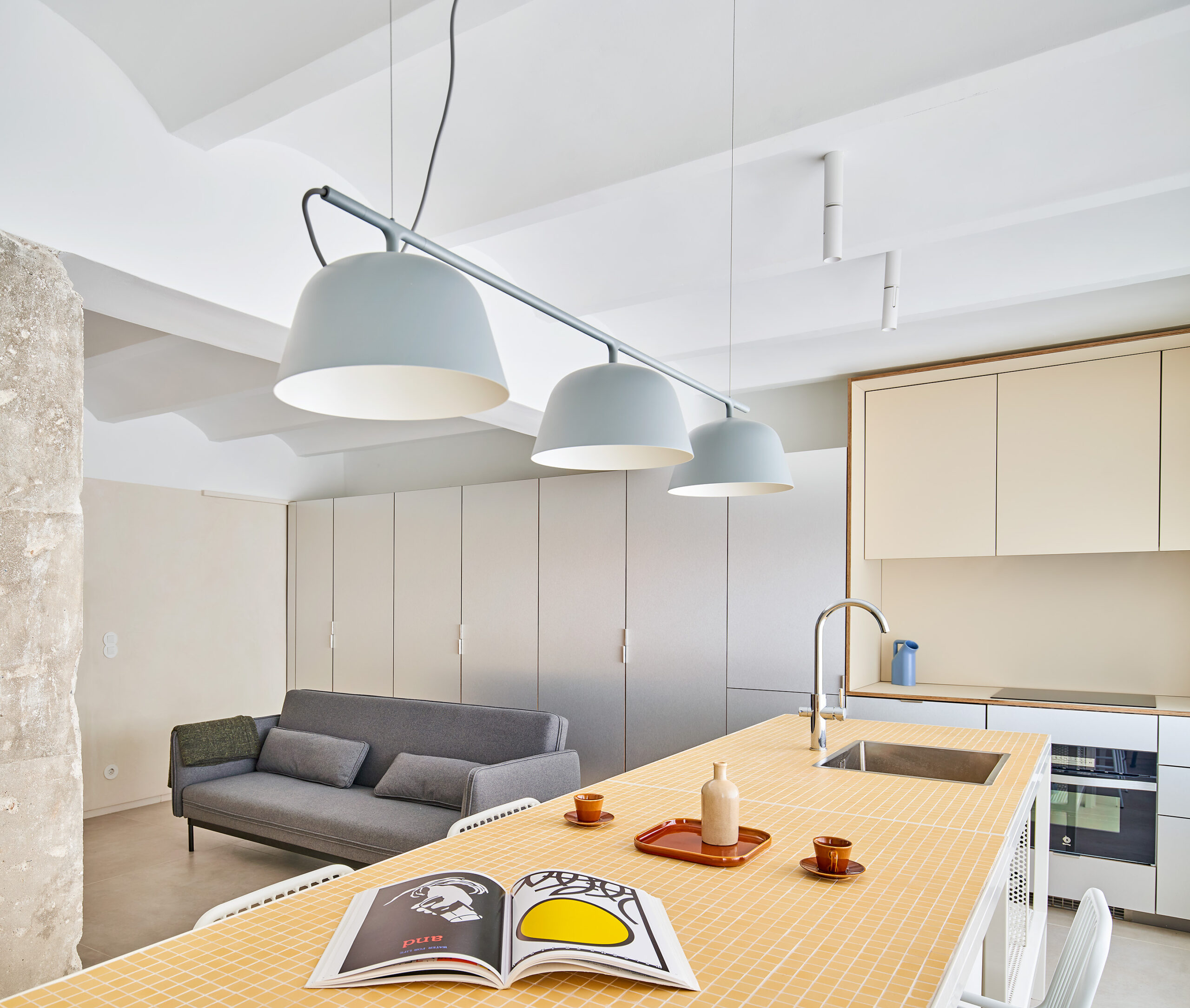
The renovation of this ground-floor apartment in Sarrià seeks to strengthen the relationship between the home and the outdoor passage, which, due to the change in level, functions almost as a private courtyard. One end of the floor plan is opened up to create a shared kitchen, dining, and living area.


To make the most of the available space, the dining table extends directly from the kitchen island. The kitchen cabinetry continues into the living area, concealing storage and reinforcing a clean, uncluttered interior. The aim was to create a calm, almost empty space where decoration is kept to a minimum, offering a different way to experience Barcelona.


Architecture: Estudio Reciente
Cabinet Handles: In-350
Photography: José Hevia


News

Margarit, Santa Arquitectura + La Blanca

Margarit, Santa Arquitectura + La Blanca

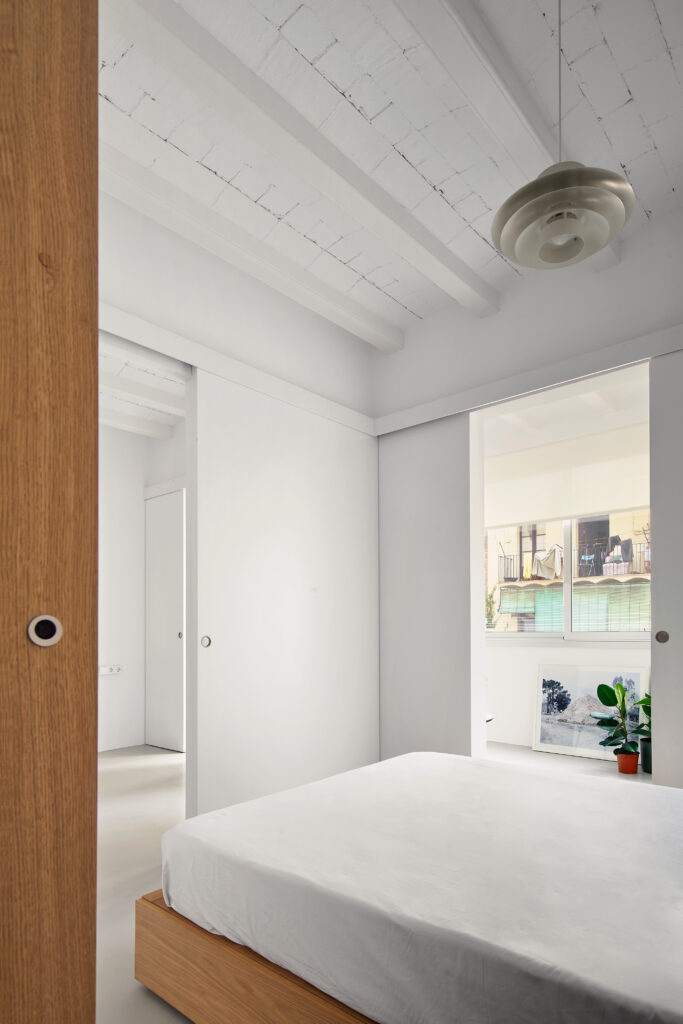
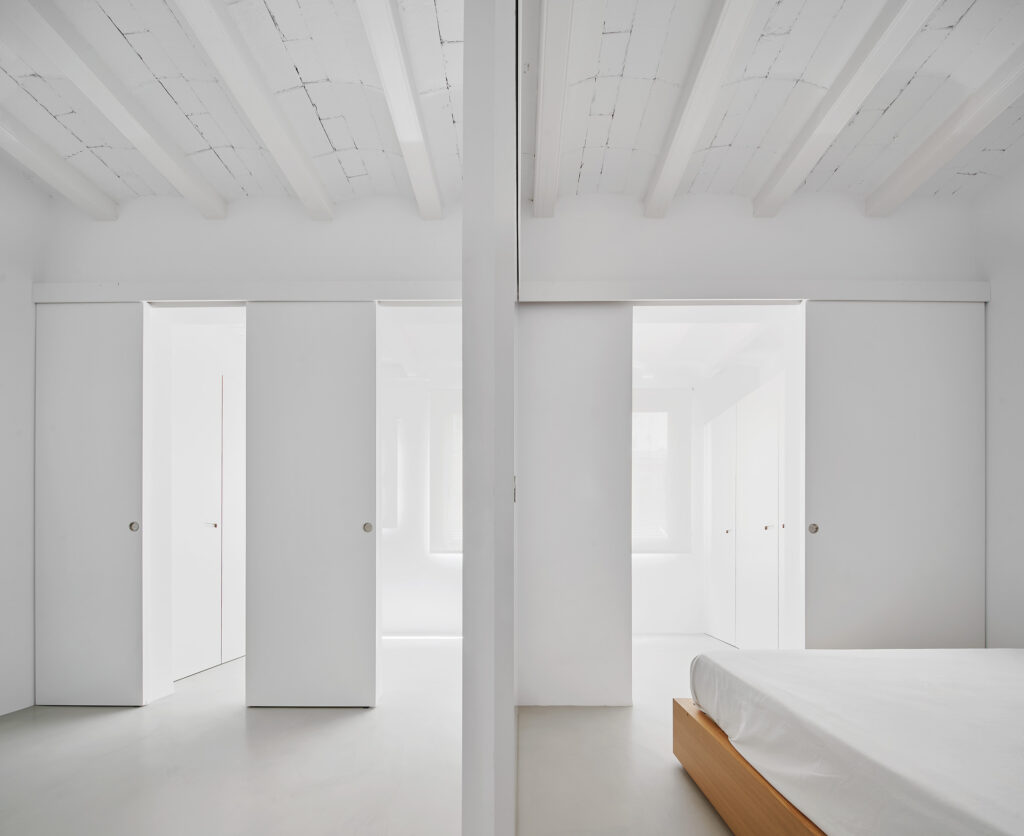
The project begins with an early 20th-century apartment of just over 65 m², originally divided into four bedrooms—two of them without windows—along with an entrance hall, living room, dining room, kitchen, bathroom, and laundry area. This highly compartmentalized layout met only the most basic functional needs, limiting both the usability and spatial potential of the home.


The intervention removes partitions in an apartment with more rooms than windows, dissolving the rigid boundaries between spaces. A freestanding wooden volume, housing the wet areas and storage, becomes the project’s central element. Acting as a filter, it allows the interior to be perceived as a continuous whole while still offering the possibility of separating different areas.


The apartment is reimagined as a sequence of flexible, interchangeable spaces. Sliding doors, installed within the existing openings of the load-bearing wall, allow varying degrees of enclosure. This adaptable system enables the home to evolve alongside the changing needs of its occupants.
 

Architecture: Santa Arquitectura + La Blanca
Cabinet Handles: In-350
Sliding Door Pulls: I-250
Photography: José Hevia


News

Ávila House, La Blanca + Santa Arquitectura

Ávila House, La Blanca + Santa Arquitectura

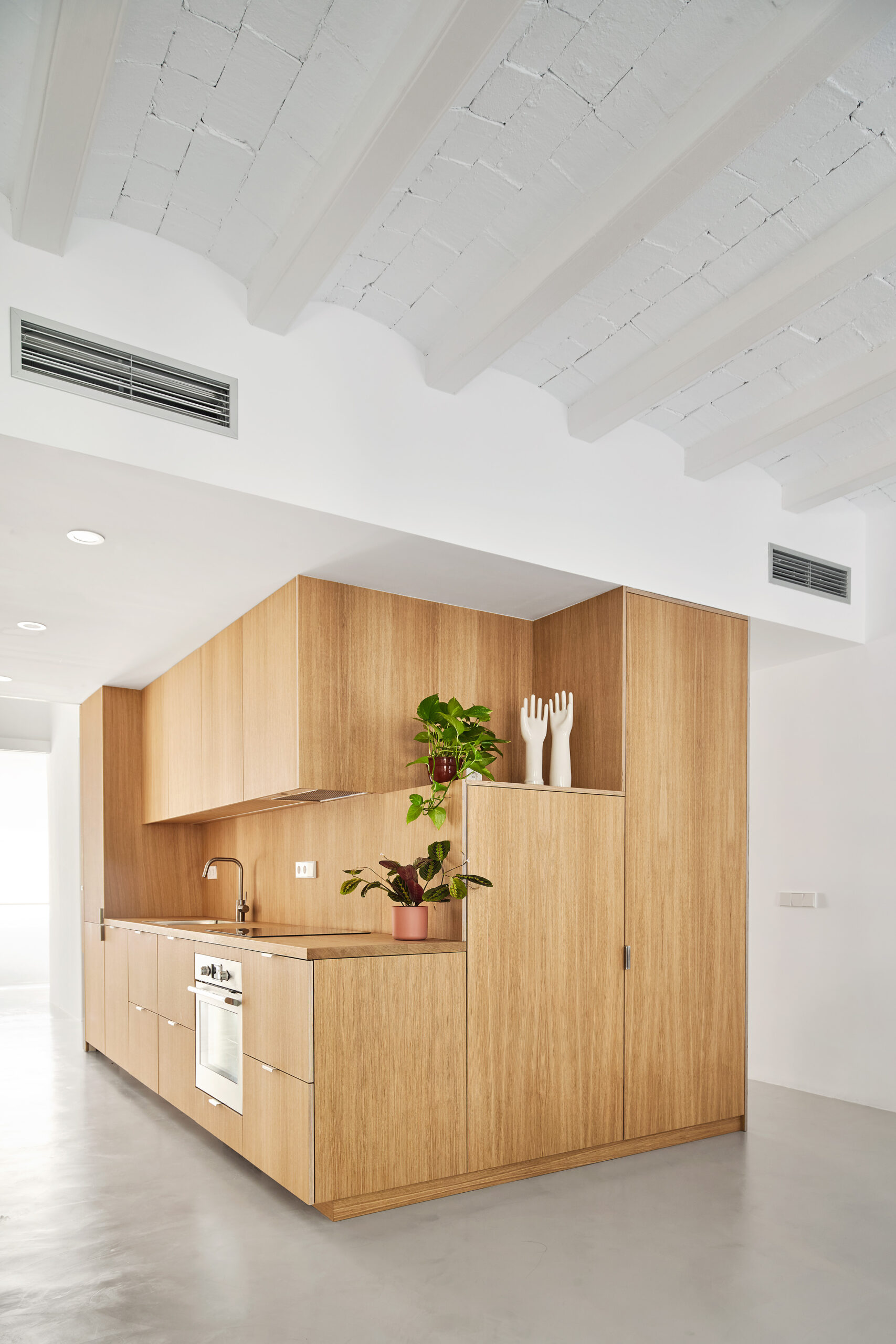
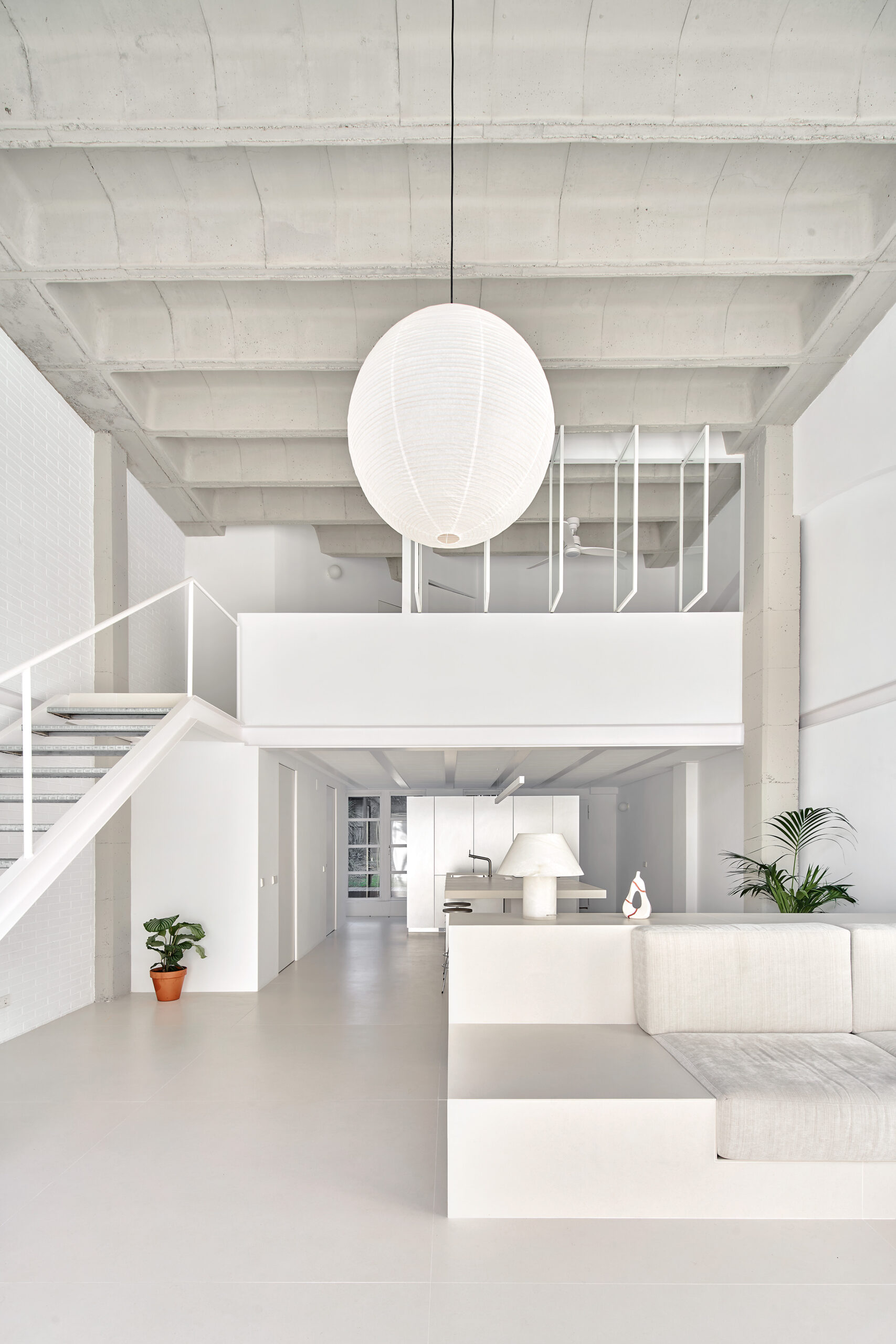
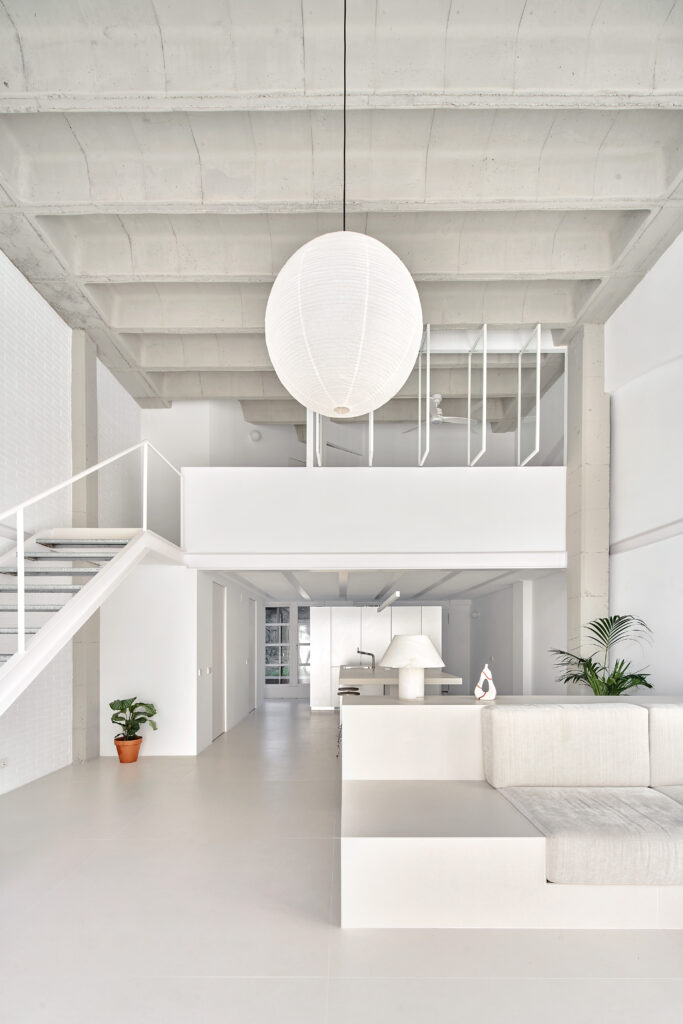
Ávila reinterprets a former warehouse in Barcelona’s Poblenou district, transforming it into a 120 m² multifunctional living space. The project organizes different areas with minimal partitions, using void as its central design principle. On the upper floor, a square void set on the diagonal becomes the circulation core, creating visual connections throughout the interior, including a view of the rear façade from the staircase. Large-format ceramic surfaces unify the flooring, kitchen island, and sofa, reinforcing a sense of continuity. Light tones and seamless finishes create a bright, warm atmosphere, while integrated furniture and restrained materiality place the emphasis on space, light, and everyday living rather than ornamentation.
 

Architecture: La Blanca + Santa Arquitectura
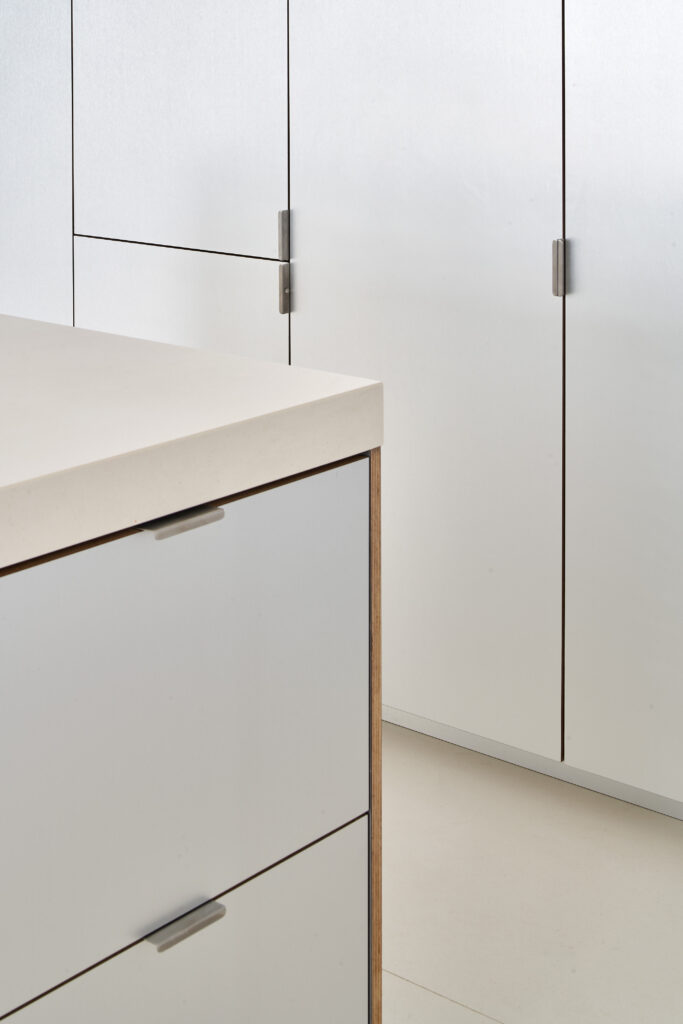
Cabinet Handles: In-350
Photography: José Hevia


News